May 28, 2026 • 7 min read
First Time Visiting India: A Practical Starter Guide
Gamana Editorial Team
Travel Innovation
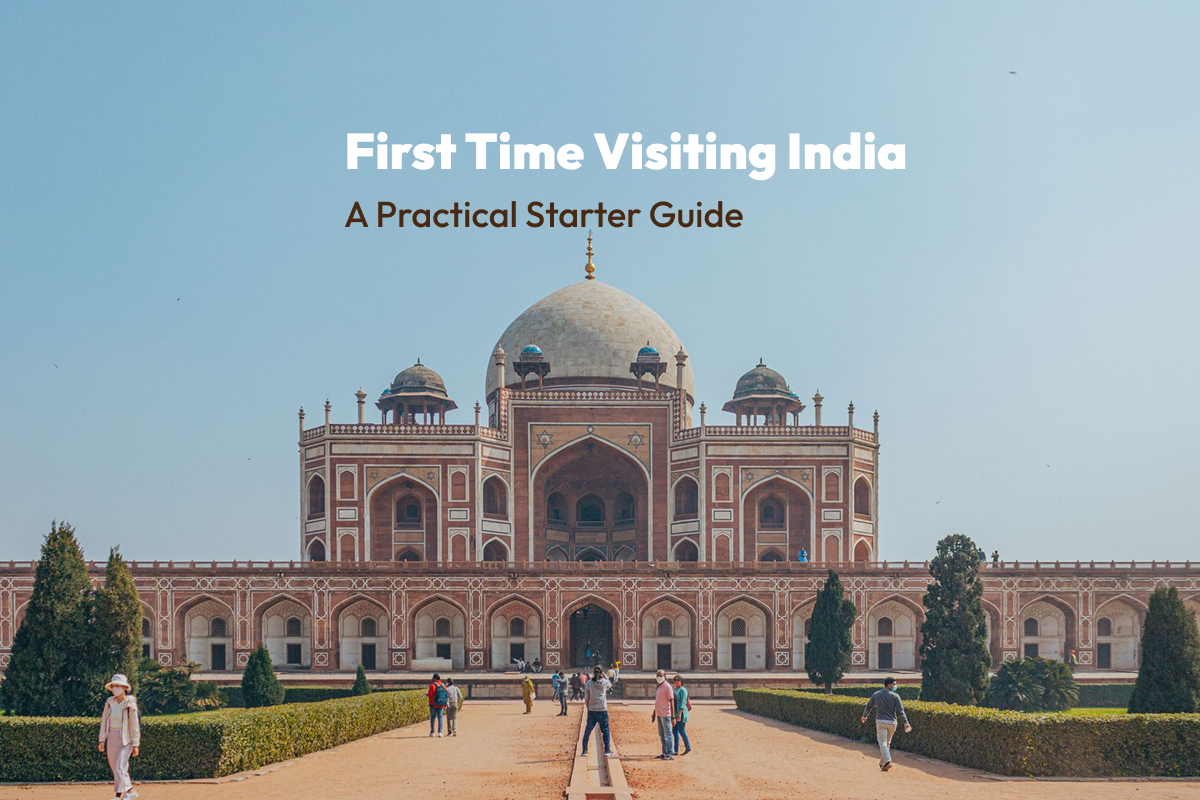
India is not a destination you ease into. It arrives all at once — the colour, the noise, the food smells, the chaos that somehow works. For a first-time visitor, that can feel both thrilling and genuinely overwhelming. The good news? A little preparation goes a long way here. This guide pulls together the most practical India travel tips for first timers, so you spend less time confused and more time actually enjoying one of the world's most extraordinary countries.
Who This Guide Is For
This is written for travellers who are visiting India for the first time and want honest, no-fluff advice. Whether you are heading to the Golden Triangle, the southern temples, the Himalayan foothills, or the coastal beaches of Goa, the fundamentals apply everywhere.
Before You Fly: The Essentials to Sort Out
Getting the basics right before you land saves a lot of stress at the border and beyond.
Visa
Most nationalities can apply for an Indian e-Visa online. Apply at least 4 to 7 days before travel. Approval usually comes within 72 hours but give yourself buffer time. Check the official Indian government visa portal for your country's eligibility.
Vaccinations
Speak to a travel health clinic at least 4 to 6 weeks before departure. Standard recommendations often include Hepatitis A, Typhoid, and Tetanus. Depending on your itinerary, your doctor may also advise on Malaria prevention, especially for rural or forested areas.
Travel Insurance
Non-negotiable. Medical care in India varies significantly between cities and regions. A policy that covers hospitalisation, emergency evacuation, and trip disruption is essential. Keep physical and digital copies of your policy.
Currency
India is still largely a cash-driven economy outside major metros. Carry Indian Rupees (INR) for local markets, auto-rickshaws, temples, and smaller eateries. ATMs are widely available in cities. Inform your bank before you travel to avoid your card being blocked.
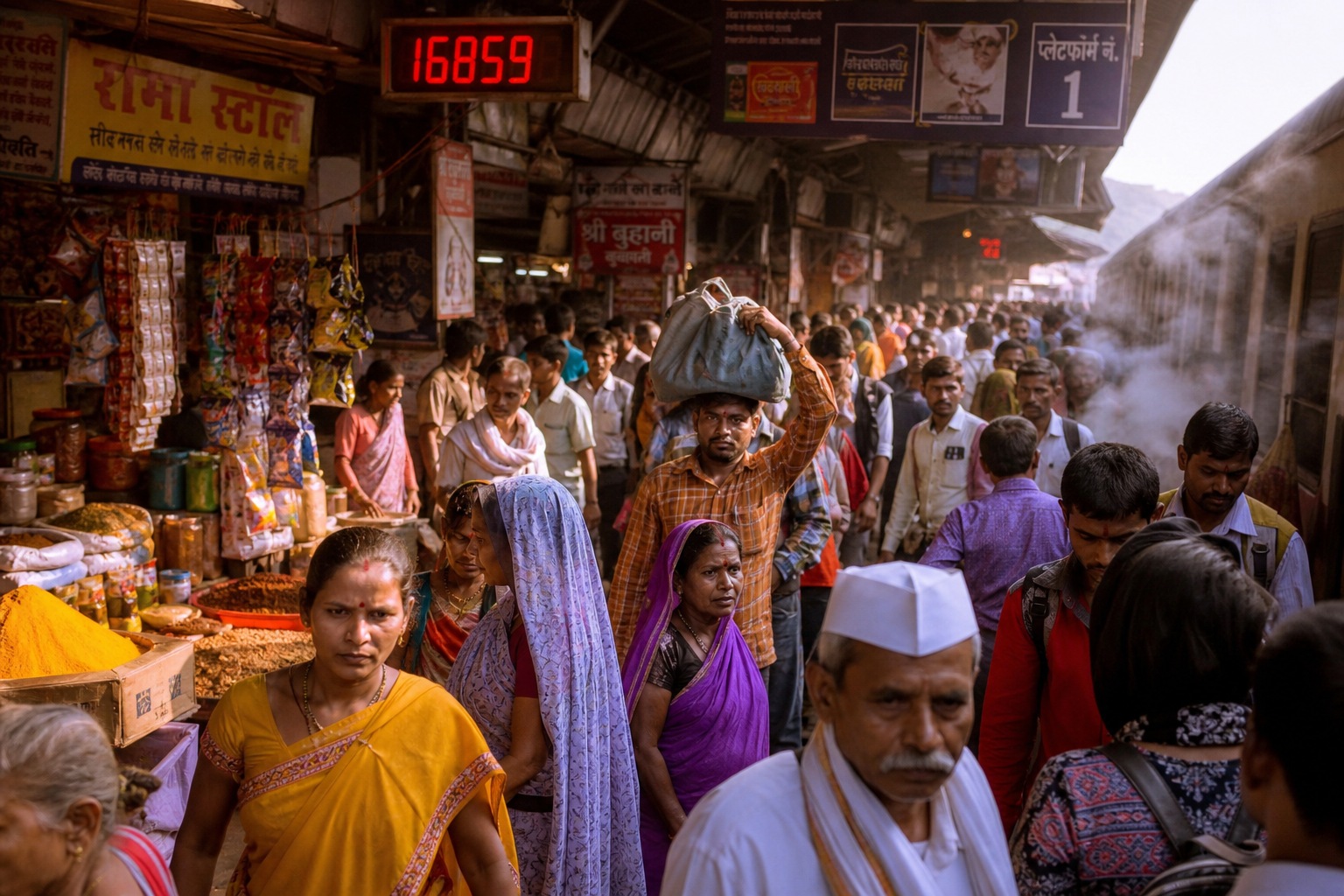
Things to Know Before Visiting India
These are the things to know before visiting India that most travel blogs skip but every first-timer needs to hear.
Water and food safety
Only drink bottled or filtered water. This includes ice in drinks, water used for brushing teeth, and salads washed in tap water. Street food is one of India's greatest joys, but start slow, stick to freshly cooked hot food, and eat where you see locals eating in volume.
Dress codes at religious sites
India has hundreds of thousands of temples, mosques, gurudwaras, and churches that welcome visitors. Most require covered shoulders and legs. Carry a light scarf or shawl in your bag. Some sites also ask you to remove footwear at the entrance.
Bargaining is normal
In local markets and with auto-rickshaws that do not use meters, negotiating on price is expected. It is not rude. Just be reasonable and know the approximate local rate before you start. Use apps or ask your guesthouse what a fair fare looks like.
The head wobble
If someone wobbles their head at you, it is usually a yes, an acknowledgement, or a sign of goodwill. It is not confusion or disagreement. Once you stop overthinking it, it becomes rather endearing.
Personal space works differently here
Queues can feel less structured. Personal space is closer than Western norms. Staring is common and almost never hostile. Adjust your expectations and you will find people genuinely warm and curious.
Connectivity
Buying a local SIM card on arrival is one of the smartest moves you can make. Jio and Airtel offer affordable data plans with solid coverage in urban and semi-urban areas. You will need your passport for registration.
Is India Safe for Tourists?
This is one of the most searched questions about visiting India for the first time, and it deserves a straight answer.
India is safe for the vast majority of tourists when you travel with basic awareness. Millions of international visitors travel across India every year without incident. That said, a few things are genuinely worth knowing:
- For solo female travellers: Extra vigilance is advisable, particularly at night and in crowded areas. Stick to well-reviewed accommodation, use prepaid or app-based cabs instead of hailing random ones, and trust your instincts in any situation that feels off.
- Common risks for all tourists: Petty theft in crowded places, scams near major tourist sites (unsolicited "guides," fake ticket booths, overcharging for transport), and digestive illness from food or water. None of these are unique to India but all are worth being aware of.
- Stay connected and informed: Keep your embassy's emergency contact saved. Share your itinerary with someone at home. Download offline maps before visiting any area with patchy signal.
Overall, India rewards those who stay informed and maintain basic street sense.
Getting Around India
Trains
The Indian Railways network is one of the largest in the world and a genuinely great way to travel between cities. Book tickets in advance on the IRCTC platform. Sleeper and AC classes are available at very different price points.
Flights
India's domestic flight network is extensive and often affordable. For long distances, flying can save significant time.
Auto-rickshaws and cycle rickshaws
Essential for navigating within cities and smaller towns. Agree on a fare before you get in or use an app-based service like Ola or Rapido.
App-based cabs
Ola and Uber both operate across major Indian cities. Safer and more transparent on pricing than flagging down a cab.
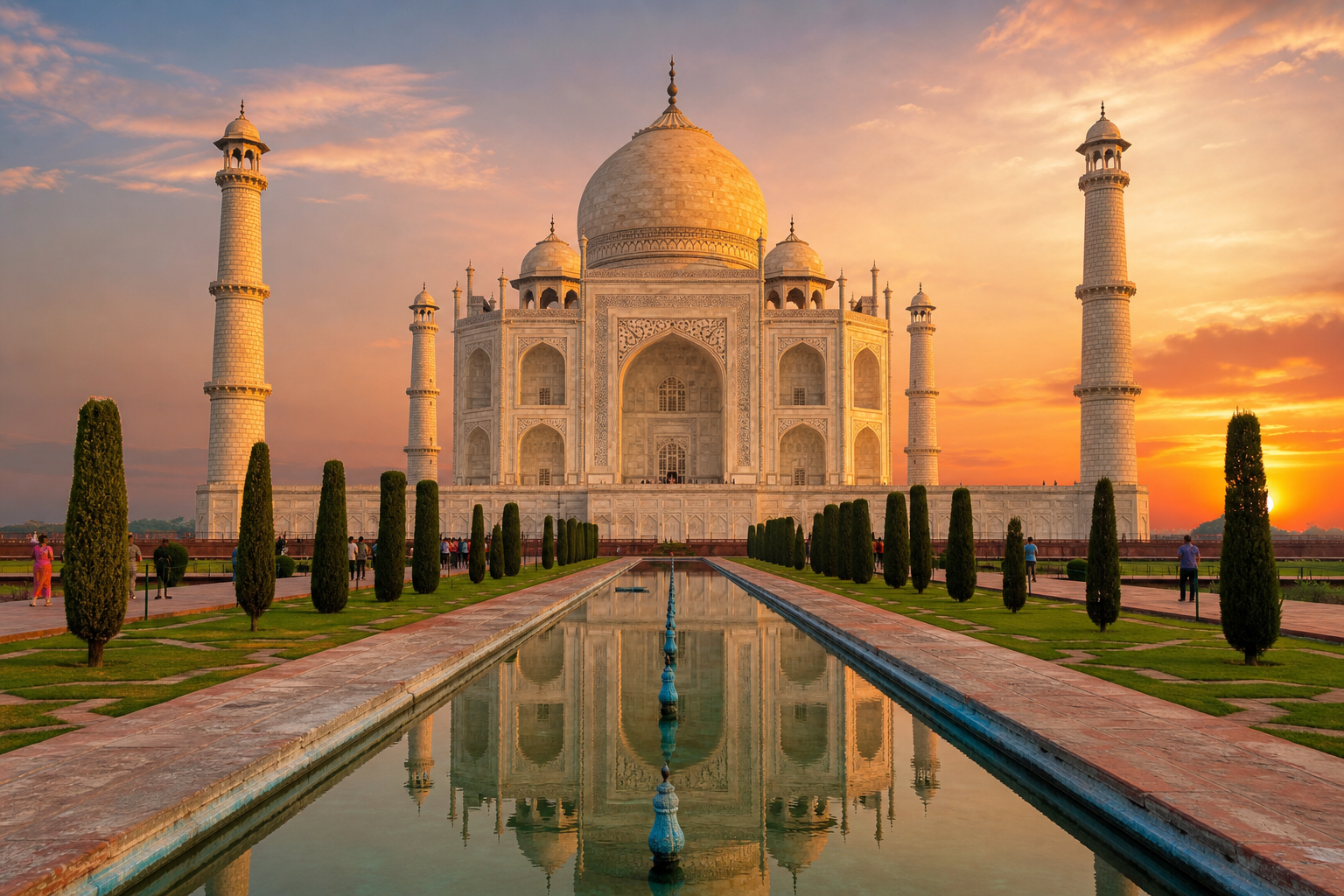
Exploring India: Where the Right Context Changes Everything
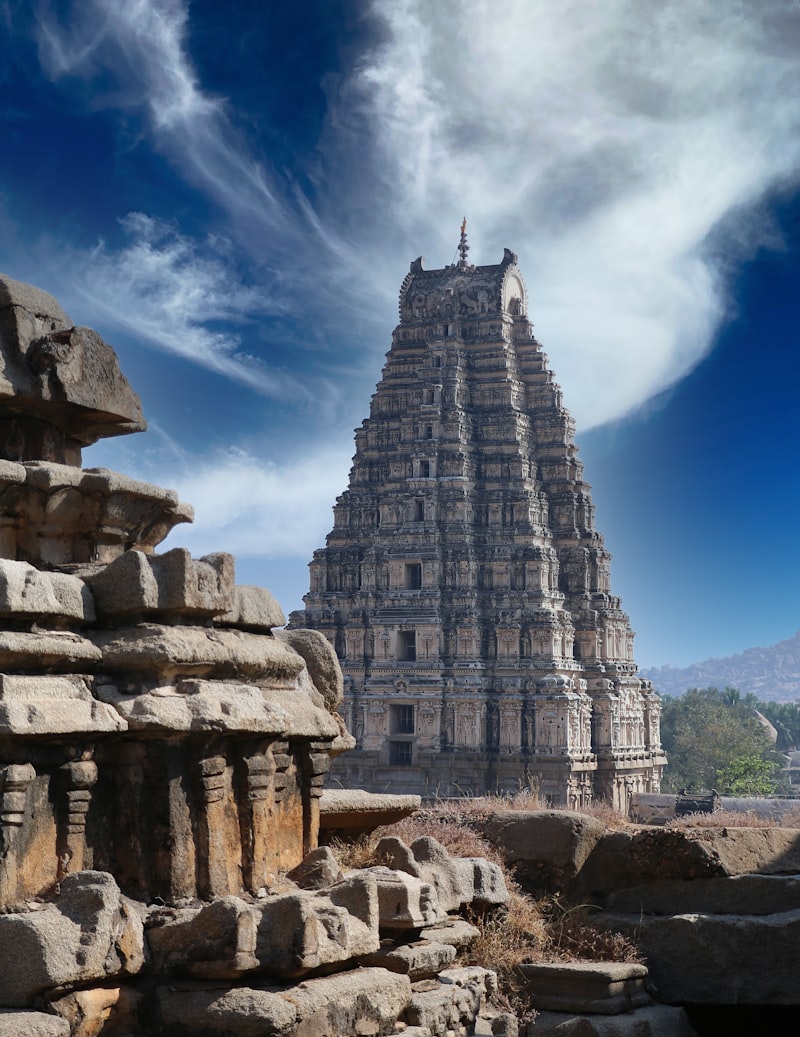
India's history is layered in a way that is hard to grasp by just looking at a monument. The Mughal architecture of Agra, the Dravidian temple complexes of Tamil Nadu, the Buddhist stupas of Sanchi, the colonial-era ghats of Varanasi — each carries stories that go back hundreds or thousands of years. Without context, a lot of it can blur.
This is exactly where an India audio guide app makes a real difference. Instead of decoding a dense information board or paying for a guide at every site, you get the story delivered to you as you walk, in a voice and style that suits how you like to learn.
Gamana is an AI-powered audio guide app built for travellers who want depth alongside convenience. It offers personalised audio tours across major Indian heritage sites, narrated by AI guides with distinct personalities ranging from a scholarly historian to a punchy local voice who gets to the interesting detail fast. You choose your narrator, press play, and explore with your eyes and attention free rather than buried in a guidebook.
For first-time visitors to India, it takes a lot of the pressure off navigating new places solo. You can download tours for offline use, which matters in areas where connectivity is unreliable. And because the content adapts to different interests, whether you care most about architecture, mythology, politics, or food culture, the experience feels genuinely personal rather than generic.
Gamana covers destinations including Varanasi, Jaipur, and other key stops on the India heritage circuit, with more being added. For anyone doing their first serious India itinerary, it is worth having on your phone before you land.
Quick Packing Checklist for India
These are the items first-timers consistently wish they had packed.
- Lightweight, breathable clothing that covers arms and knees (cotton works well in most seasons)
- Comfortable walking shoes and a pair of slip-on sandals for temple visits
- High-SPF sunscreen, as it can be expensive or harder to find locally
- A reusable water bottle with a built-in filter
- Hand sanitiser and wet wipes
- A small first-aid kit including oral rehydration salts
- Power bank, as long days of navigation and audio tours drain battery fast
- A universal adaptor (India uses Type C, D, and M plugs)
Final Thoughts
Visiting India for the first time is genuinely one of the most rewarding things you can do as a traveller. It asks more of you than most destinations. But it gives back more too. Go in informed, stay curious, be patient when things move at their own pace (they will), and allow yourself to be surprised. India has a way of exceeding expectations you did not even know you had set.
Download Gamana before your trip, pick a guide who matches your vibe, and let the stories meet you where you stand.
Ready to explore India with the right voice in your ear?
Download the Gamana app on iOS or Android and start your audio journey before you even board the flight.