
October 13, 2026 · 5 min read
Historical Sites Around the World: How to Explore Famous Landmarks & Hidden Gems
Gamana Editorial Team
Travel Innovation
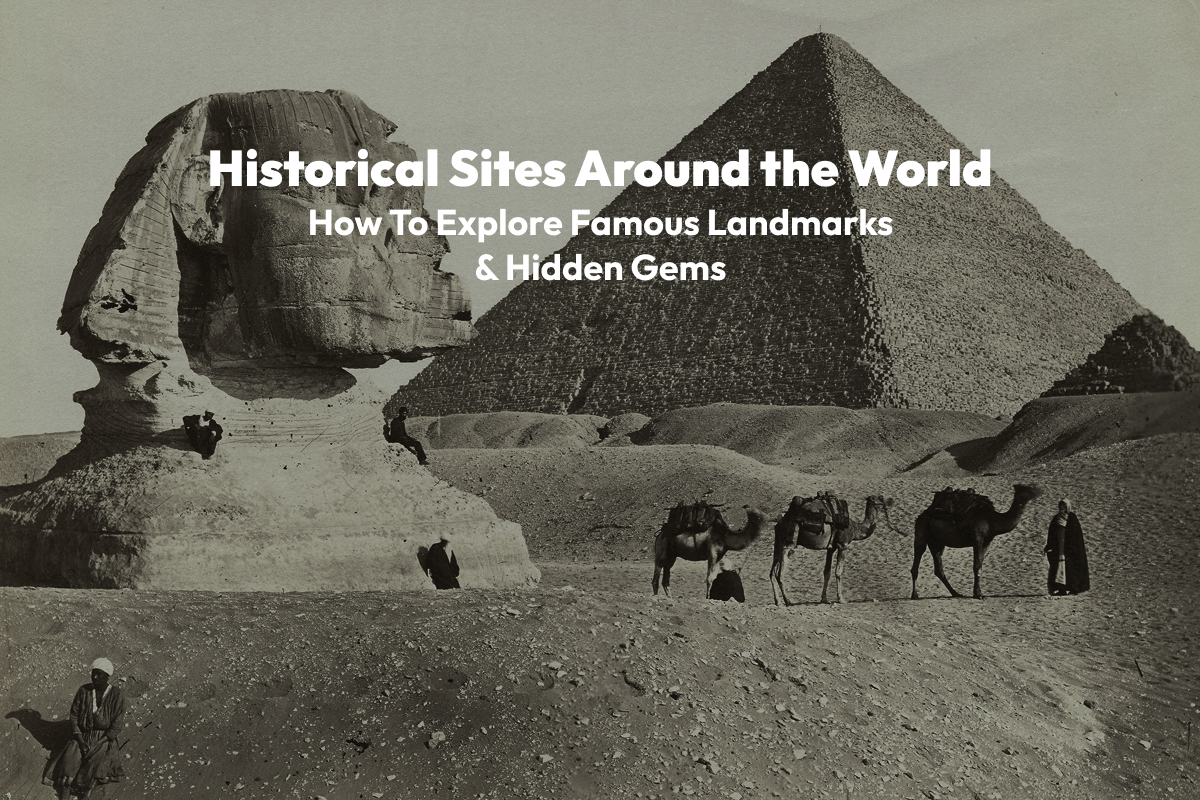
There's a particular feeling you get standing in front of something that's outlasted empires. Maybe it's the weathered steps of a temple, a crumbling fort wall, or a ghat where people have gathered for centuries. Historical sites do that to us. They make the past feel close enough to touch.
But here's the thing most travel guides won't tell you: walking past a famous landmark and actually understanding it are two very different experiences. This guide is for travelers who want the second one.
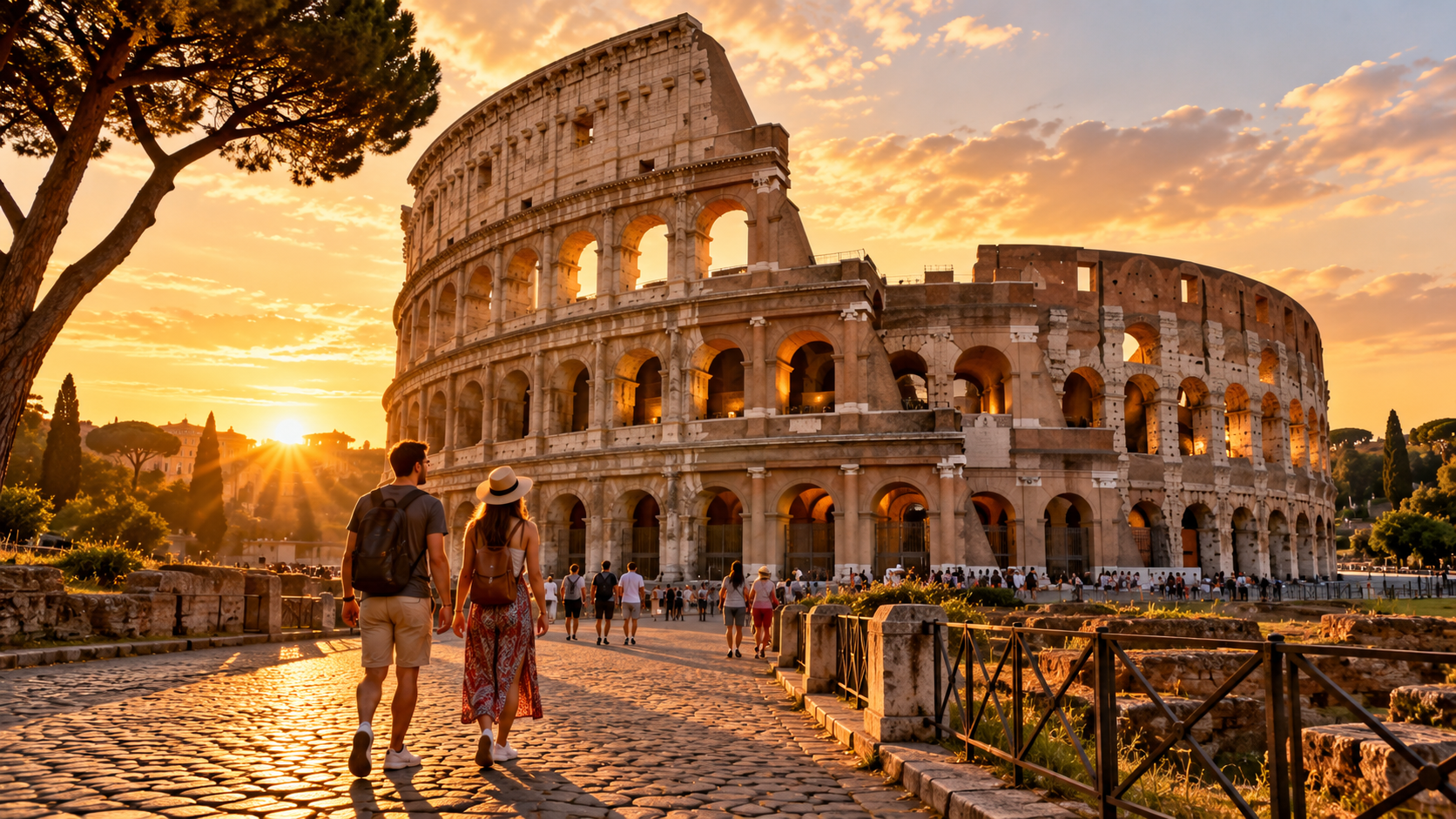
Why Historical Sites Still Matter in 2026
Cultural heritage sites aren't just backdrops for photos. They're physical records of how people lived, fought, worshipped, traded, and built. Visiting them does a few things that a museum exhibit or a documentary simply cannot:
- Puts scale and texture in front of you that no screen can replicate
- Connects you to local communities who still live around, and often protect, these sites
- Builds a kind of memory that sticks longer than a checklist of "places visited"
- Supports local economies, guides, and conservation efforts when done responsibly
Interest in historic places to visit has also shifted in recent years. Travelers increasingly want context, not just a ticket stub. That's part of why audio storytelling and guided walking experiences have grown so popular alongside traditional guidebooks.
Types of Historical Sites Worth Exploring
Not all historical landmarks fall into one neat category. Knowing the type helps you plan realistically.
1. Ancient Sites and Ruins Places like Machu Picchu, Petra, or the Roman Forum fall here. These ancient historical places often require more planning: permits, timed entry, or long walks with limited shade.
2. Religious and Spiritual Landmarks Temples, mosques, cathedrals, and ghats. Varanasi's riverside ghats or Rome's ancient basilicas are prime examples where spiritual life and history exist side by side, often still active today.
3. Forts, Palaces, and Royal Residences Structures built for power and defense, from Rajasthan's hilltop forts to European castles. These sites usually come with dramatic architecture and equally dramatic stories of siege, succession, or betrayal.
4. UNESCO World Heritage Sites Officially recognized world heritage sites, protected for their cultural or natural significance. There are over 1,200 of these globally, ranging from entire old towns to single monuments.
5. Colonial and Modern Historic Districts Old quarters, trading posts, and neighborhoods shaped by more recent history. Old Delhi, Goa's Latin Quarter, and Lisbon's Alfama district all belong here.
How to Plan a Visit to Famous Historical Sites
A little preparation turns a rushed visit into a memorable one. Here's a practical checklist:
- Research opening hours and seasonal closures. Many historic monuments close for restoration or reduce hours during off-peak months.
- Book tickets in advance where possible. Popular famous landmarks around the world often sell out timed slots, especially in peak season.
- Go early or late in the day. Fewer crowds, softer light for photos, and cooler temperatures at outdoor sites.
- Wear appropriate footwear. Uneven stone paths and long walking distances are common at ancient sites.
- Carry water and sun protection. Especially non-negotiable for open-air ruins with little shade.
- Respect local customs. Dress codes apply at many religious and heritage sites; some restrict photography in certain areas.
Famous Historical Sites Around the World Worth Adding to Your List
A short, varied list to start building your own itinerary:
- The Colosseum and Roman Forum, Italy – Step through nearly 2,000 years of Roman public life in a single afternoon.
- Varanasi Ghats, India – Watch the Ganga Aarti ceremony and walk stretches where daily ritual and history overlap.
- Machu Picchu, Peru – A high-altitude Incan citadel that rewards early arrivals with clearer views and thinner crowds.
- Angkor Wat, Cambodia – One of the largest religious monuments ever built, best explored over more than one visit.
- Basilica of Bom Jesus, Goa – A UNESCO-listed church that anchors Goa's blended Portuguese and Konkani heritage.
- Petra, Jordan – The rock-cut city that still surprises first-time visitors with its scale beyond the famous Treasury facade.
Finding the Hidden Gems Everyone Skips
The most rewarding historical sites are sometimes the ones without a queue outside them.
- Ask local guides or residents about lesser-known monuments near the main attraction
- Look for "satellite" sites — smaller structures within walking distance of a famous landmark
- Explore old neighborhoods on foot instead of only visiting ticketed monuments
- Check local heritage walk listings, which often surface sites absent from major travel sites
- Visit during shoulder season, when smaller sites are calmer and easier to appreciate
These are usually the places that end up as the best stories you tell when you're back home.
How to Actually Understand What You're Looking At
Here's a common travel regret: standing in front of a historic monument, taking a photo, and moving on without knowing what it actually meant. A carved doorway, an unusual pillar, or a seemingly random ruin often carries a story worth hearing.
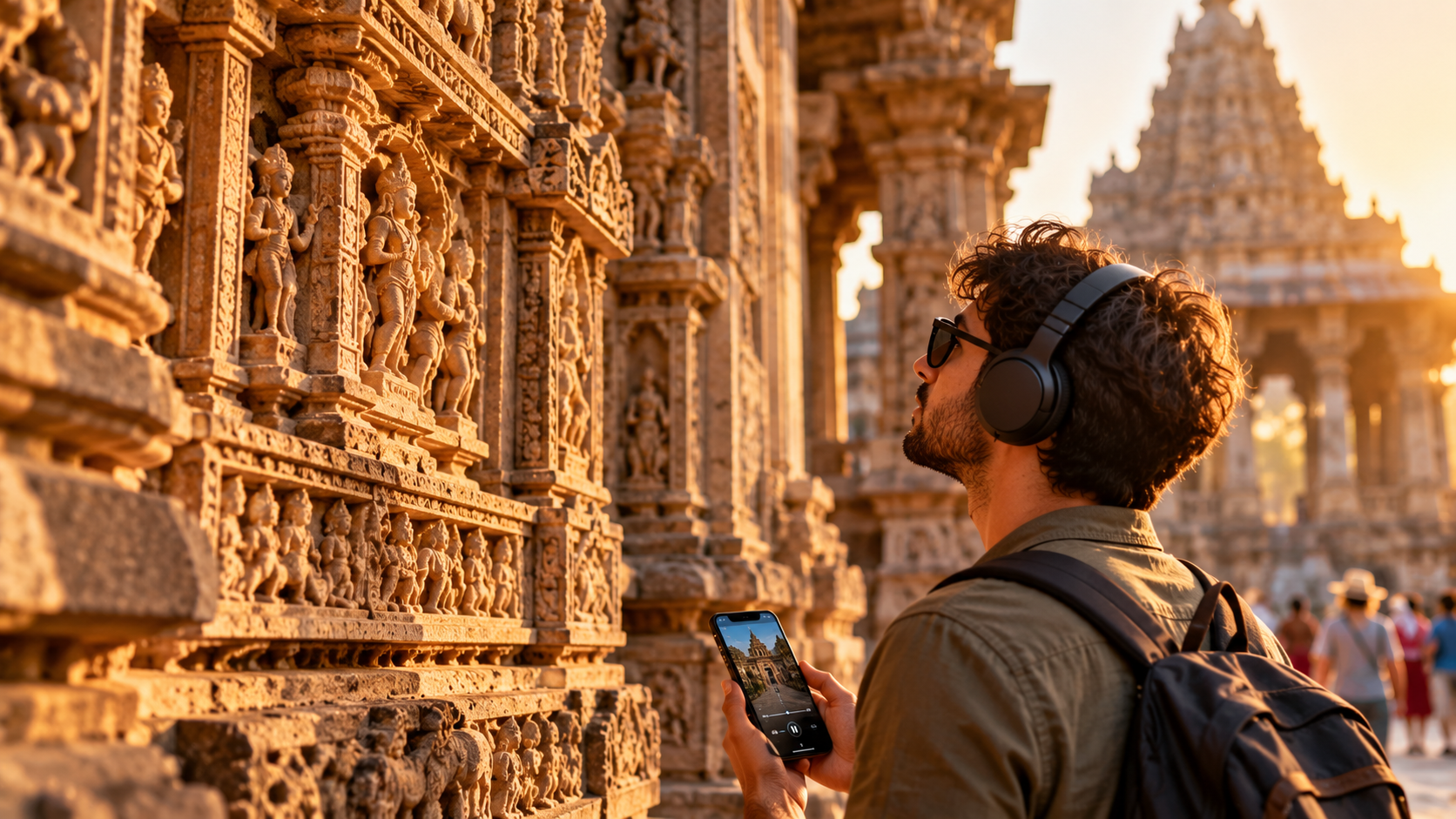
This is where audio-guided walking tours have become genuinely useful. Instead of flipping between a guidebook and your phone map, an app like Gamana plays location-triggered stories as you walk, narrated in a conversational tone rather than a textbook one. You get the historical and cultural context of a site exactly when you're standing in front of it, hands-free, at your own pace.
For travelers heading to heritage cities, this kind of storytelling fills the gap between a rushed guided tour and a silent solo walk with no context at all.
Tips for Responsible Travel at Cultural Heritage Sites
Preservation matters as much as appreciation.
- Stick to marked paths; don't climb on fragile structures
- Avoid touching carvings, murals, or ancient stonework
- Follow photography restrictions where posted
- Buy tickets through official channels to support conservation funding
- Choose local guides and vendors when possible
Making Your Historical Site Visit Count
The best trips to historic places to visit aren't measured by how many sites you tick off. They're measured by how much of the story actually stayed with you. Slow down at one or two sites rather than rushing through five. Ask questions. Read the plaque, but also look for what it doesn't say.
Whether it's a world-famous landmark or a quiet monument tucked into a side street, historical sites reward curiosity more than speed. Bring that curiosity, plan a little ahead, and let the place do the rest of the talking.
Ready to explore your next heritage city with context in your ears instead of a guidebook in your hands? Download Gamana and start walking through history with stories that play exactly where you're standing.