September 29, 2026 · 5 min read
How to Find the Best Tourist Attractions in Any City: A Complete Sightseeing Guide
Gamana Editorial Team
Travel Innovation
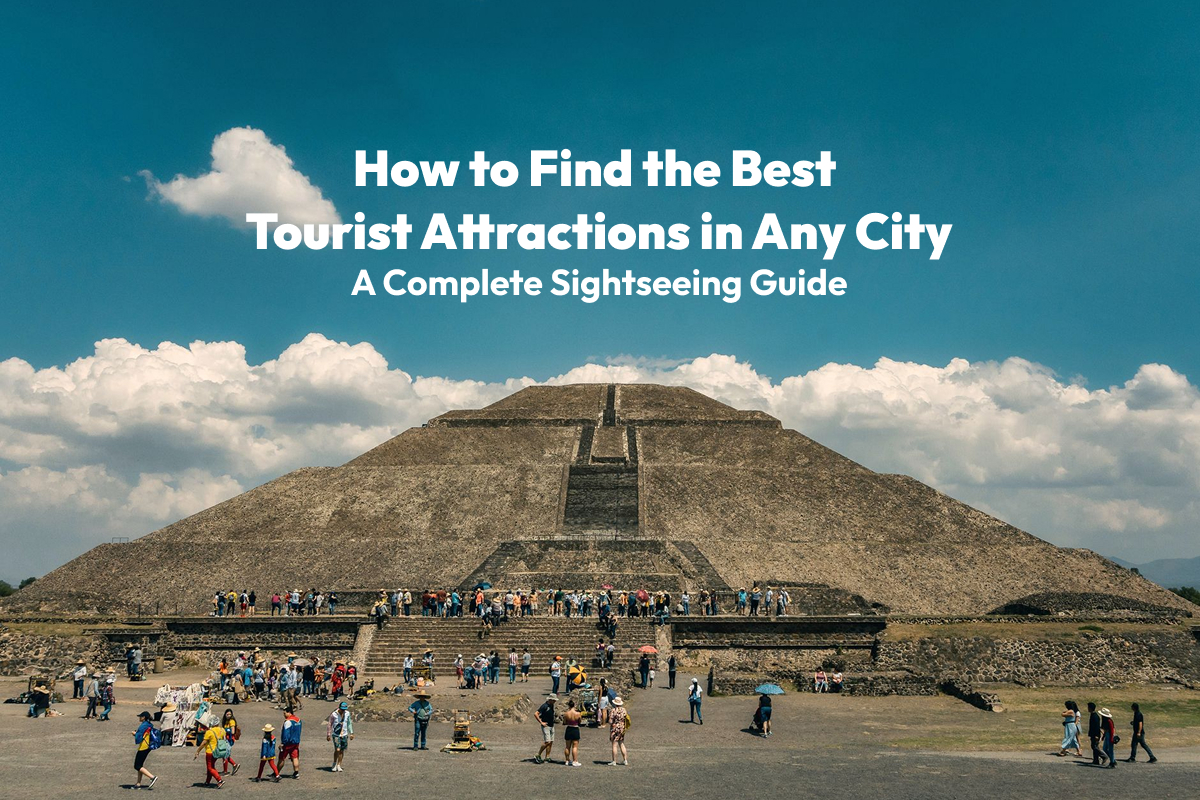
Landing in a new city with zero plan is exciting for about an hour. Then the questions start: Where do I actually go? What's worth the time, and what's just a tourist trap dressed up in a nice Instagram filter?
Finding the best tourist attractions isn't about downloading five apps and hoping one of them is right. It's about knowing where to look, how to filter out the noise, and how to build a route that actually matches how you like to travel. Here's a practical, no-fluff guide to doing exactly that.
Why Finding Tourist Attractions Gets Harder, Not Easier
You'd think more information online would make sightseeing simpler. It hasn't.
- Search results are cluttered with outdated "Top 10" listicles
- Review sites are flooded with paid placements and fake ratings
- Popular attractions get overcrowded, while genuinely great local spots stay hidden
- Every city has its own rhythm, and generic guides rarely capture it
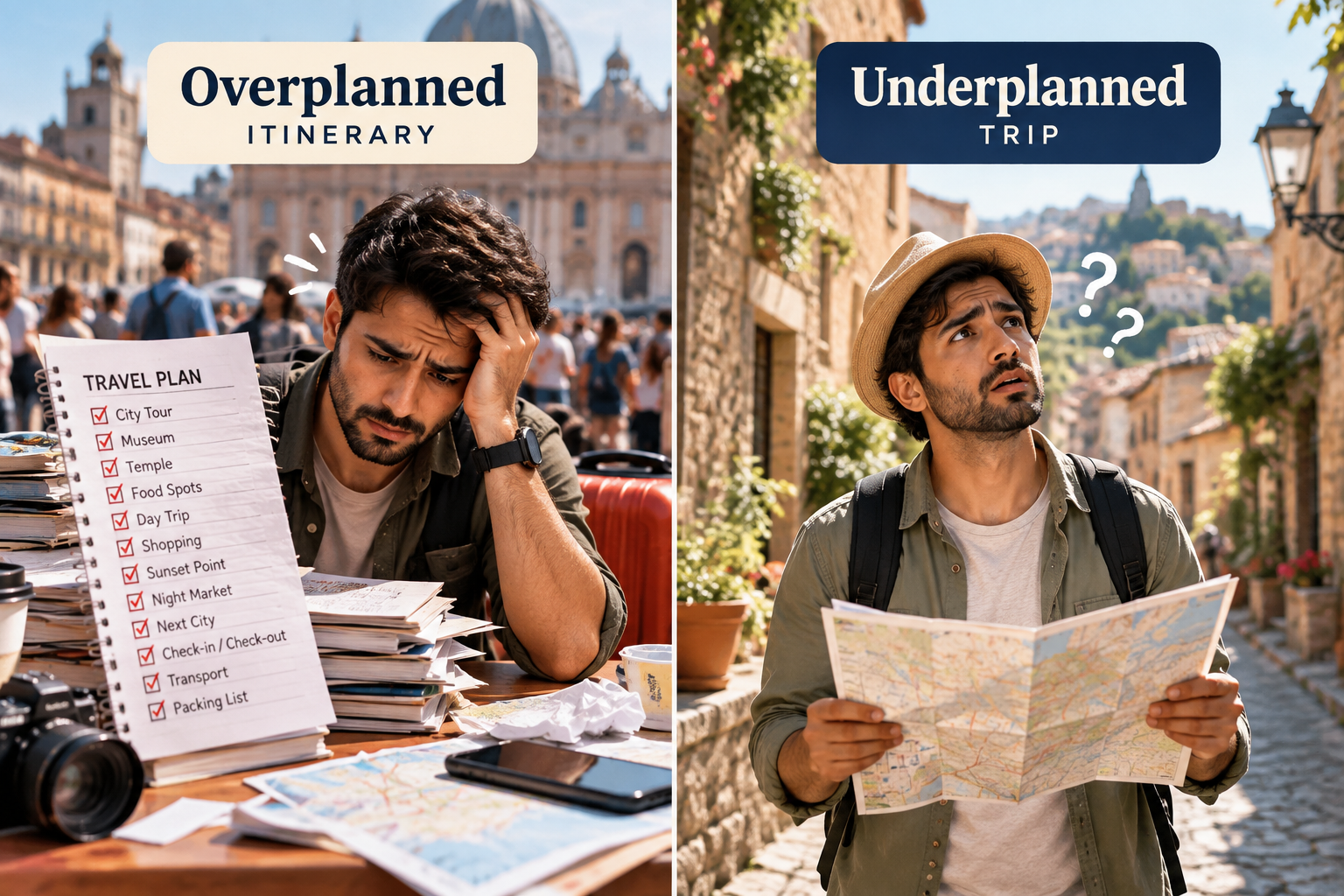
The result: travelers either overplan and miss the spontaneity of a trip, or underplan and waste half their vacation figuring things out on the ground.
Start With What "Best" Actually Means to You
Before searching for popular tourist attractions, get honest about your own travel style. "Best" is subjective, and the sooner you define it, the faster you'll cut through irrelevant results.
Ask yourself:
- Do I want landmarks, nature, food, or culture?
- Am I traveling with kids, a partner, or solo?
- How much walking am I realistically up for?
- Do I want a guided experience or full independence?
This single step saves hours of scrolling through generic city sightseeing lists that don't fit your trip at all.
Reliable Ways to Discover the Best Tourist Attractions
1. Official Tourism Boards and City Websites
Government-run tourism sites are consistently underrated. They're not chasing ad revenue, and the information tends to be accurate and updated regularly — opening hours, seasonal closures, ticket prices, and safety notices included.
2. Local Recommendations Over Global Rankings
Global "best of" lists are built for clicks, not context. A local's answer to "what should I see in a city" is usually far more useful than a ranking algorithm's. Ask hotel staff, cafe owners, or people in community travel forums who actually live there.
3. Sightseeing Apps Built for Real Travelers
This is where things have changed the most in the last few years. Instead of static lists, modern sightseeing apps now use your location, interests, and even time available to suggest places to see in a city in real time.
A good app should:
- Detect nearby attractions automatically using GPS
- Explain the history and context of a place, not just its name and photo
- Work offline once content is downloaded
- Let you personalize the experience instead of pushing the same generic tour to everyone
This is essentially what an app like Gamana focuses on. Instead of handing you a flat list of local attractions, it works more like a virtual travel guide — offering AI-narrated audio tours that adapt to your interests, whether that's history, architecture, food culture, or hidden local stories. You pick a narrator persona that suits your mood, and it turns sightseeing into an actual guided experience rather than a checklist.
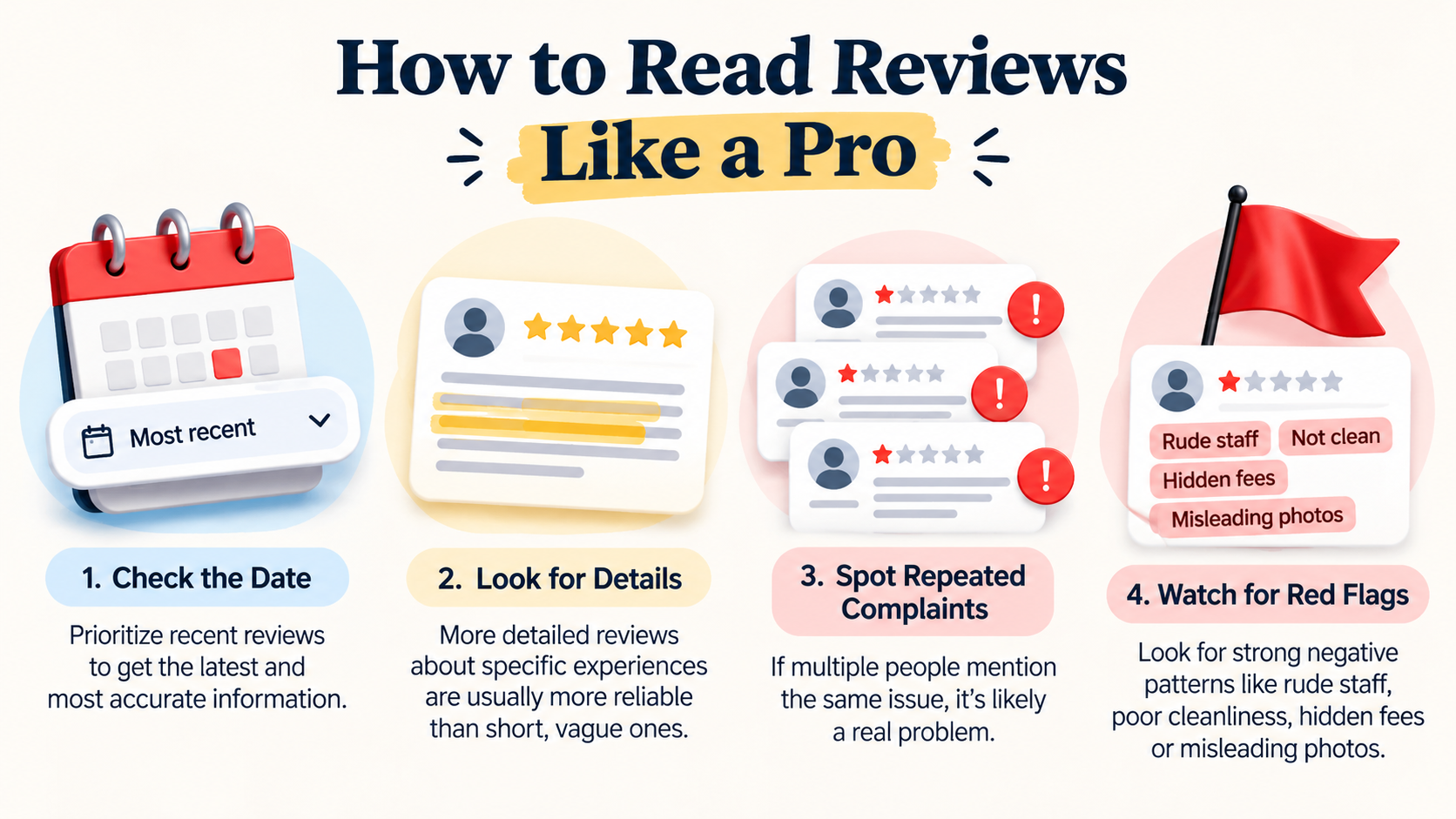
4. Review Platforms — But Read Them the Right Way
Review sites still have value, but only if you use them correctly.
- Sort by "most recent" instead of "top rated" to avoid outdated info
- Look for detailed reviews, not just star ratings
- Watch for repeated complaints (queue times, overcrowding, poor upkeep)
- Ignore reviews that read suspiciously like marketing copy
Building a Practical Sightseeing Guide for Any City
Once you've shortlisted attractions, structure matters. A good sightseeing guide isn't a list — it's a plan that accounts for geography, energy levels, and time.
Step-by-step approach:
- Group attractions by location, not popularity. Visiting sites in the same neighborhood saves hours of transit time.
- Mix iconic sites with lesser-known spots. One major landmark per day is usually enough; fill the rest with local attractions that don't attract crowds.
- Check timing carefully. Museums, palaces, and religious sites often have specific hours, weekly closures, or seasonal changes.
- Leave buffer time. Things to do in a city always take longer than expected — queues, transport delays, and simply wanting to linger somewhere beautiful.
- Balance paid and free activities. Every city has excellent free attractions: parks, viewpoints, markets, and walking routes that don't need tickets.
Self-Guided Sightseeing: How to Do It Well
Not everyone wants a guided group tour, and honestly, self-guided sightseeing has gotten a lot better thanks to technology.
Benefits of going self-guided:
- Move at your own pace, no group waiting around
- Revisit places that genuinely interest you
- Skip the parts of a tour you don't care about
- Save money compared to hiring a private guide
What makes self-guided sightseeing actually work:
- A reliable offline map
- Context and storytelling for each stop, not just a pin on a screen
- Flexibility to change plans on the fly
- Local language support so you're not lost outside major tourist zones
This is exactly the gap apps like Gamana try to close — combining the freedom of exploring solo with the depth of a knowledgeable guide, using AI-powered audio storytelling instead of a printed pamphlet or a rigid scheduled tour.
Common Mistakes to Avoid When Sightseeing
- Chasing every "must-see" list you find. Not every popular tourist attraction will resonate with you personally.
- Ignoring travel time between locations. A map can look deceptively compact until you're actually walking it.
- Skipping local food spots near attractions. Some of the best travel memories happen between sightseeing stops, not just at them.
- Overloading the itinerary. Trying to see too much in one day often means enjoying none of it fully.
- Relying on one single source. Cross-check tourism boards, apps, and local advice instead of trusting one list blindly.
Finding the best tourist attractions in any city isn't about discovering a secret list nobody else knows. It's about combining reliable sources — official tourism sites, real local input, and smart sightseeing apps — with a plan that fits how you actually like to travel.
Whether you're chasing iconic landmarks or quiet local corners most tourists walk past, the goal is the same: spend less time figuring out where to go, and more time actually being there. Tools like Gamana make that easier by turning your phone into a personalized, story-driven guide — so every stop feels less like a checkbox and more like a discovery worth remembering.