July 28, 2026 • 7 min read
Traveling to India: What Surprises Western Travelers Most
Gamana Editorial Team
Travel Innovation
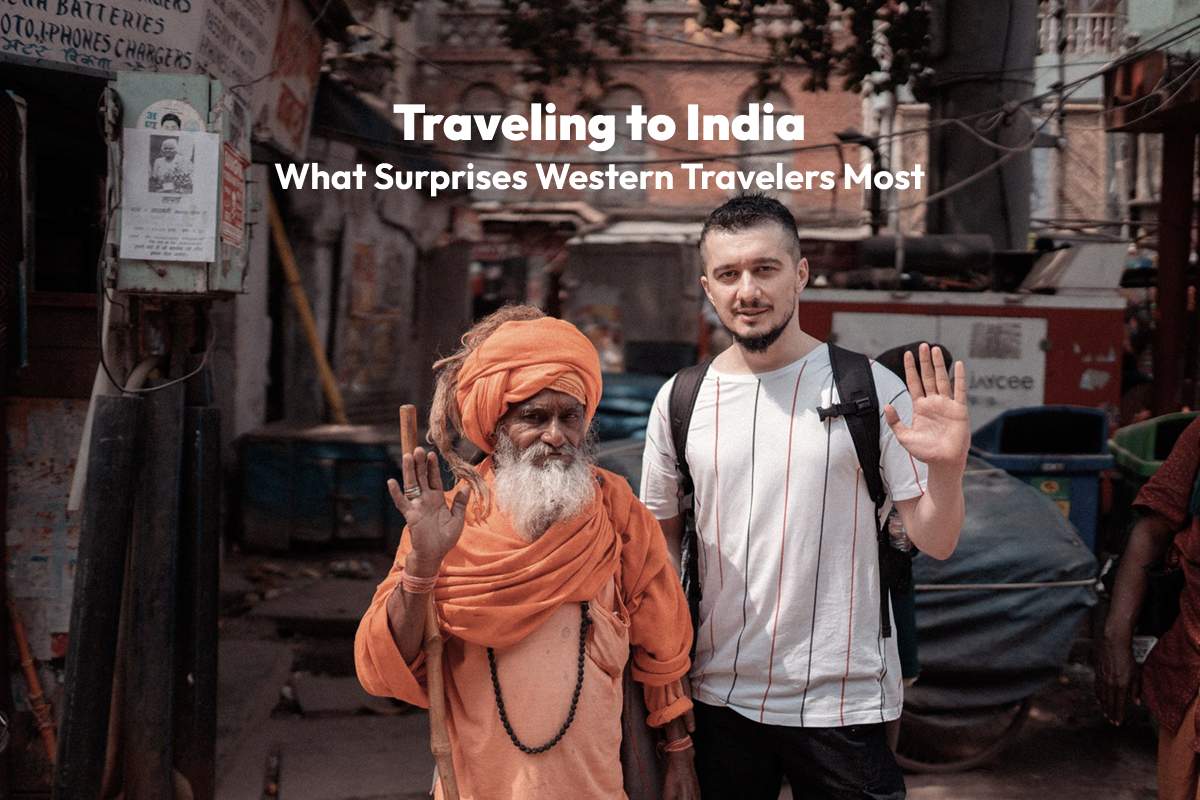
India does not ease you in gently. It pulls you straight into color, chaos, noise, and warmth, all at once. If you are traveling to India for the first time from the US, UK, Europe, or Australia, no amount of research fully prepares you for the real thing.
But that is exactly what makes the India travel experience so unforgettable.
This guide is built on real traveler insights. Not tourist brochure promises. Here is what to expect in India, including the things most guides quietly skip.
1. The Sensory Overload Is Real (and Wonderful)
The moment you step out of any Indian airport, your senses get hit from every direction.
What hits you first
- The smell: incense, street food, rain on hot asphalt, marigold garlands
- The sound: horns, temple bells, street vendors, construction, music from passing rickshaws
- The color: saris, painted trucks, festival decorations, vibrant storefronts
Most Western travelers in India describe the first 48 hours as overwhelming. By day three, many say it is the most alive they have ever felt.
Tip: Give yourself at least two full days to adjust before diving into sightseeing. Your mind needs time to calibrate.
2. Personal Space Works Differently Here
India has 1.4 billion people. Personal space, as Western travelers understand it, is a very different concept here.
What surprises people most
- Strangers will stand very close to you in queues, with no intent to crowd
- People will ask your name, age, job, and marital status within two minutes of meeting you
- Locals genuinely want to help, even when you did not ask for it
- Staring is common and rarely hostile; it is simply curiosity
This is not culture shock in India, strictly speaking. It is just a different social baseline. Once you understand that, the openness starts to feel warm rather than intrusive.
3. Food Will Change What You Think You Know
Indian food in the West is a filtered, adapted version of the real thing. Traveling around India, you quickly realize the cuisine is hyper-regional.
Regional food facts that surprise Western travelers
- North Indian food is heavy on wheat, dairy, and bold spices; South Indian food is rice-based, lighter, and fermented
- Coastal Karnataka and Kerala are seafood-rich, while Rajasthan is largely vegetarian by tradition
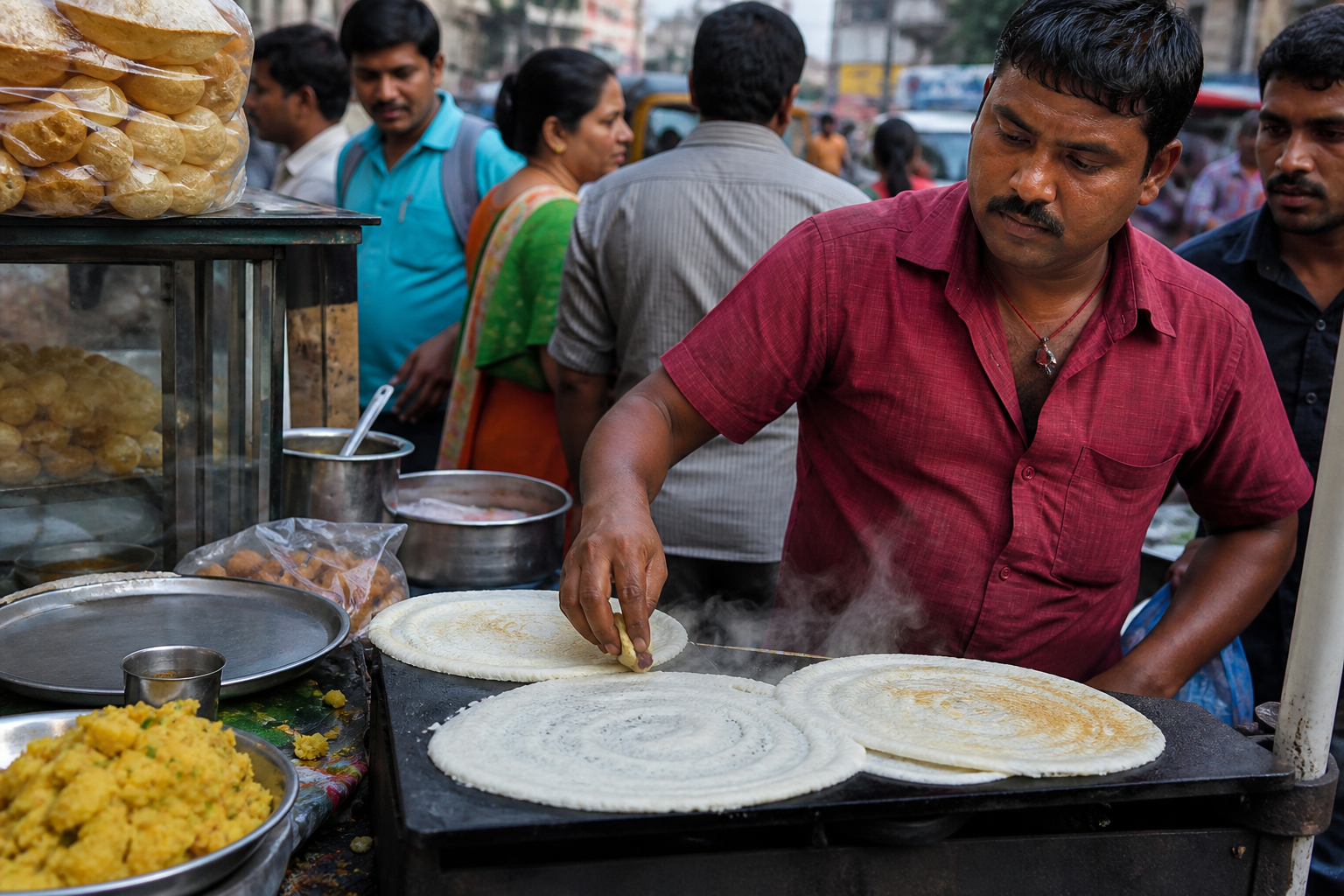
- Street food is not just a quick bite; it is a whole cultural ritual
- Chai is not a "chai latte"; it is strong, sweet, and milky, made fresh on street corners
What to expect in India food-wise
- Spice levels can be intense, even for the spice-experienced
- Most vegetarian options are genuinely exciting, not afterthoughts
- Hygiene varies by stall and city; eating at busy stalls with high turnover is usually safer
4. India Culture and Customs Are Not One-Size-Fits-All
India is 28 states, 22 official languages, and thousands of years of layered history. The India culture and customs you encounter in Tamil Nadu are completely different from what you find in Punjab or Goa.
Cultural norms that catch Western travelers off guard
- Removing shoes before entering homes, temples, and many shops is mandatory, not optional
- Nodding sideways (the head wobble) means "yes" or "I understand," not "no"
- Eating with your right hand is customary; the left hand carries different cultural associations
- Clothing modesty matters outside of beach towns and tourist zones. Shoulders and knees covered is a baseline for most temples and rural areas
- Haggling in markets is expected and part of the experience, not confrontational
India local experiences that reveal the culture best
- Attending a morning aarti (prayer ritual) at a Ganga ghat in Varanasi
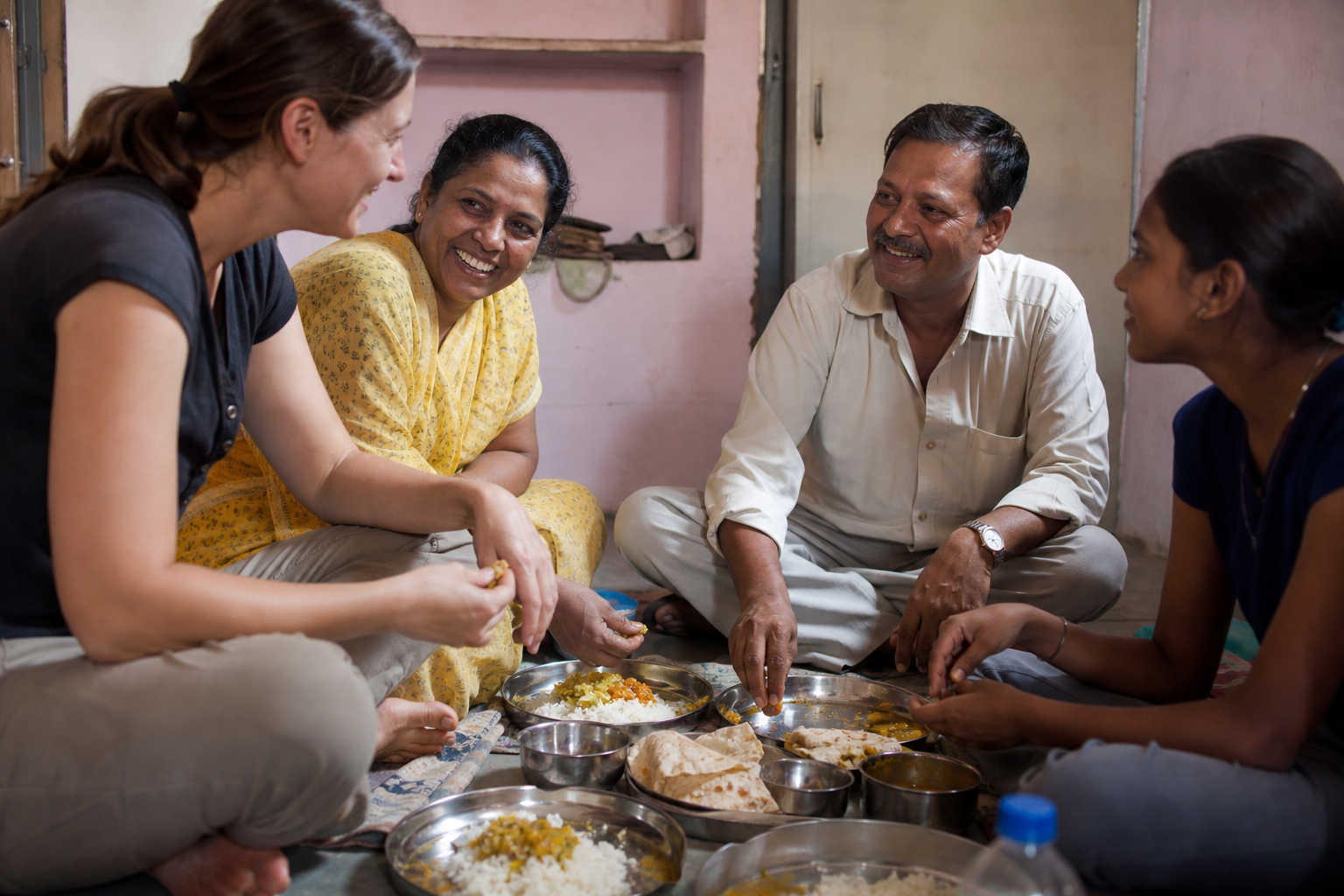
- Joining a family for a home-cooked meal, often arranged through homestays
- Watching a classical dance performance like Bharatanatyam or Kathakali
- Participating in a local festival, even as a respectful observer
5. Transport Is an Adventure in Itself
Traveling around India tests your flexibility. But it also gives you stories you will tell for years.
What to know before you go
- Indian Railways is one of the largest rail networks on earth. Booking in advance is essential, especially for overnight sleepers
- Auto-rickshaws and cycle-rickshaws are the best way to move short distances in cities and old towns
- Ride-hailing apps like Ola and Uber work well in most major cities
- Roads can be chaotic, but traffic moves in its own rhythm. Rarely violent, mostly improvised
Real talk
Delays happen. Trains run late. Buses stop unexpectedly. If your travel mindset is tightly scheduled, India will challenge that. Lean into flexibility and you will enjoy it far more.
6. The Hospitality Will Genuinely Surprise You
This is the part most Western travelers in India do not expect and end up talking about most.
What the India local experiences reveal about hospitality
- Being invited into a stranger's home for tea or food happens more often than you'd expect
- People go out of their way to help you find an address, sometimes physically walking you there
- Guesthouses and smaller hotels often feel like staying with family, not a business transaction
- Festival seasons mean locals actively include travelers in celebrations
India does not just tolerate tourists. In most places, it genuinely welcomes them.
7. The Digital Divide and the Ultra-Modern Exist Side by Side
One of the biggest things that surprise people is how India holds two worlds simultaneously.
What you will actually see
- A cow sitting in the middle of a four-lane road while someone pays for chai via QR code
- Ancient temple architecture next to gleaming tech campuses in Bengaluru and Hyderabad
- Village markets with no electricity and the next town over with 5G connectivity
- Hand-painted shop signs on one street and neon-lit malls on the next
This contrast is not inconsistency. It is India being honest about who it is.
8. Use an India Audio Guide App to Actually Understand What You Are Seeing
Here is a practical truth: most of what makes India profound goes completely over your head without context.
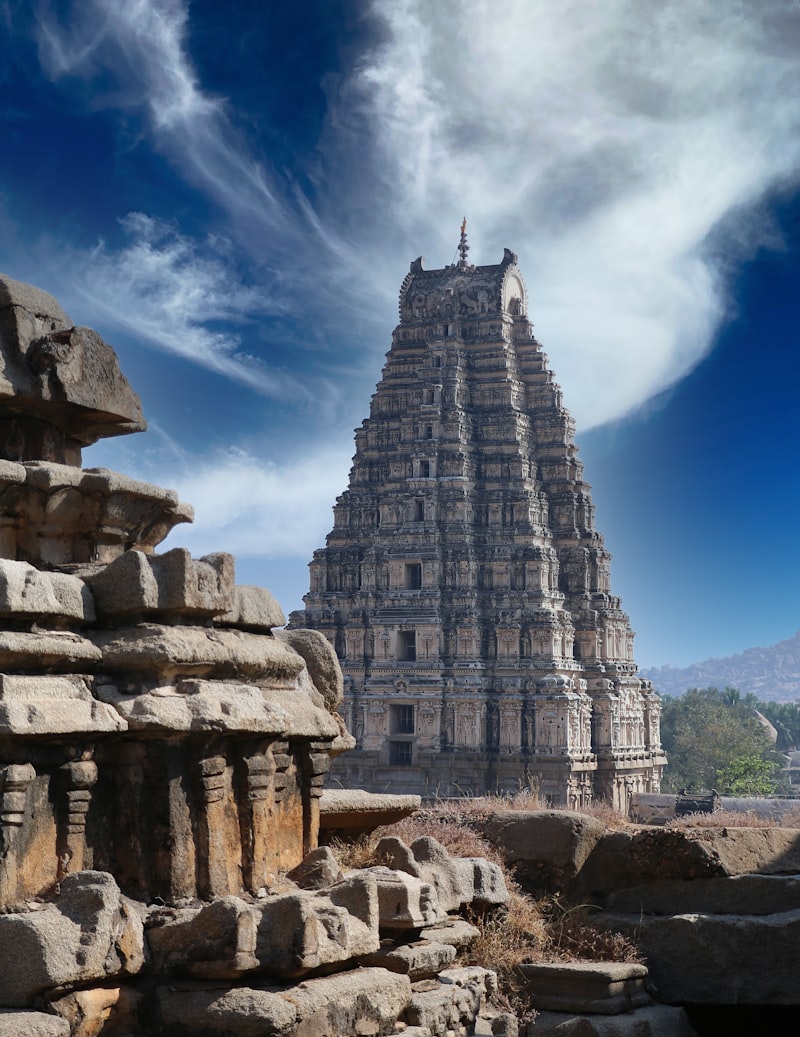
You can stand in front of a 1,000-year-old temple and see carvings. Or you can understand what each figure means, which dynasty built it, why the geometry matters, and what ritual still happens there every morning.
That context is the difference between being a tourist and actually experiencing India.
This is where Gamana becomes genuinely useful:
Gamana is an AI travel guide app that delivers personalized audio tours while you explore. Instead of reading plaques or waiting for a group tour to catch up, you walk through heritage sites, markets, and neighborhoods with an AI audio guide in your ear, telling you the real story behind what you are seeing.
What makes Gamana work well for India specifically:
- Indian guides like Arjun (Systems Historian) and Aarti (Indic Historian) bring deep cultural and historical knowledge to every site
- The India audio guide app works offline once you have downloaded your tours, which is helpful in areas with spotty connectivity
- Tours are personalized to your pace, interest, and depth of knowledge
- You get local context, not just dates and names
For Western travelers in India who want to go beyond surface-level tourism, an India audio guide app like Gamana is one of the most practical additions to your trip.
Quick Checklist: What to Expect in India Before You Land
- Carry cash. Many small vendors, rural guesthouses, and transport options are still cash-first
- Download an offline maps app before you arrive
- Get a local SIM card at the airport. It is affordable and essential
- Pack light, breathable clothing, and a scarf for temple visits
- Vaccinations: check current travel health advisories for your home country
- Stomach adjustment: it happens to almost everyone. Pack basic remedies
- Book train tickets at least two to three weeks in advance for popular routes
- Download the Gamana app before your trip and explore India audio tours for your destination
Time to Decide
Traveling to India is not a passive experience. It asks something of you. It asks you to slow down, stay curious, drop your assumptions, and let go of the need to control every moment.
In return, it gives you some of the most layered, meaningful, and genuinely human travel experiences on the planet.
Go with an open mind. Go with good walking shoes. And go with Gamana in your pocket so you never miss the story behind what you are seeing.
Download the Gamana app on iOS or Android and start exploring India the way it deserves to be explored.
Ready to explore India with context in your ear?
Download the Gamana app and discover heritage sites, markets, and neighborhoods across India with immersive AI audio guides built for curious travelers.