August 1, 2026 • 6 min read
Best Time to Visit India: Weather Guide by Region & Season
Gamana Editorial Team
Travel Innovation
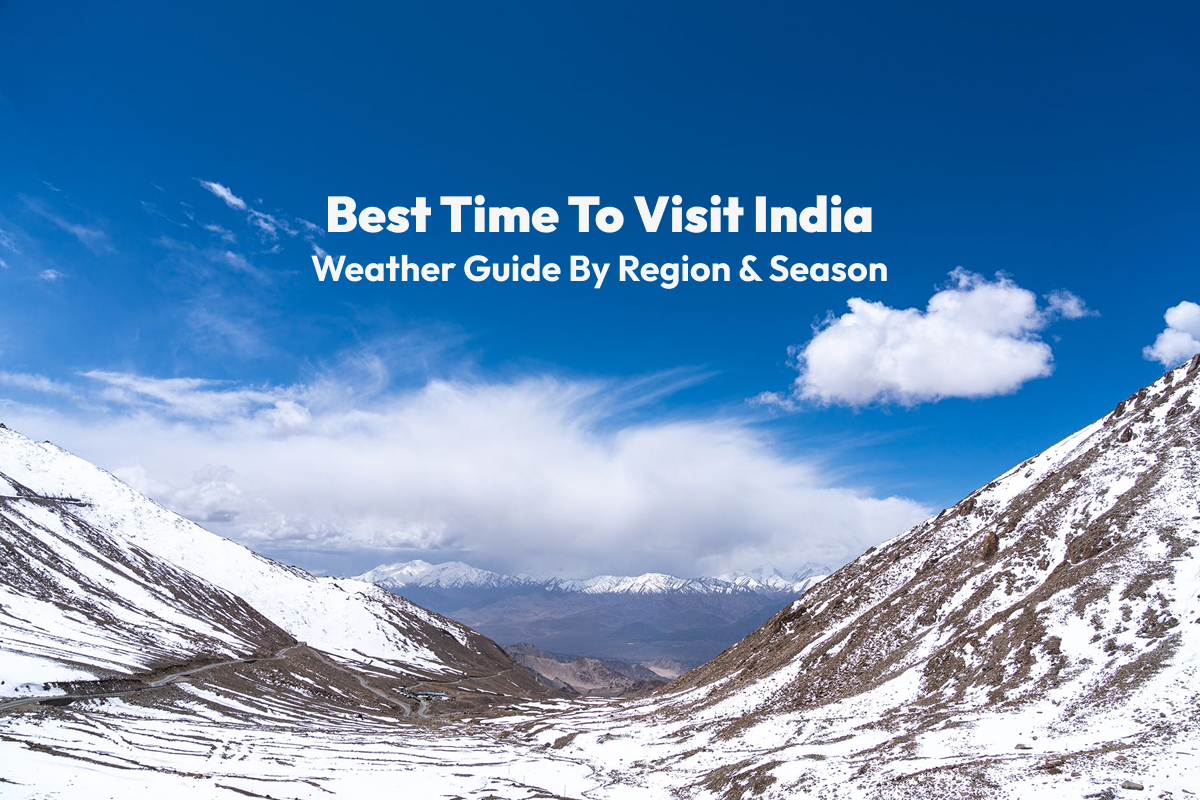
India is one of those countries that genuinely never stops surprising you. One week you're walking through snow-dusted valleys in Himachal Pradesh, the next someone tells you the beaches of Kerala are at their absolute best right now. The truth is, there is no single "best time to visit India" for every traveller. It depends heavily on where you're going, what you want to do, and honestly, how much heat you can handle.
This India weather guide breaks it all down by region and season so you can plan smart, travel light, and actually enjoy every place you visit.
Understanding India's Three Main Seasons
Before diving into regions, here's the big picture. India broadly follows three seasons that shape your entire travel experience — and help you pick the best season to visit India for your trip.
Winter (October to February)
This is peak travel season across most of India. Temperatures are comfortable, skies are clear, and the roads are full of tourists. Best for Rajasthan, North India, and the Golden Triangle.
Summer (March to June)
Scorching across the plains. Hill stations like Shimla, Manali, Mussoorie, and Ooty become the go-to escapes. Not ideal for Rajasthan or Delhi unless you enjoy temperatures crossing 45°C.
Monsoon (July to September)
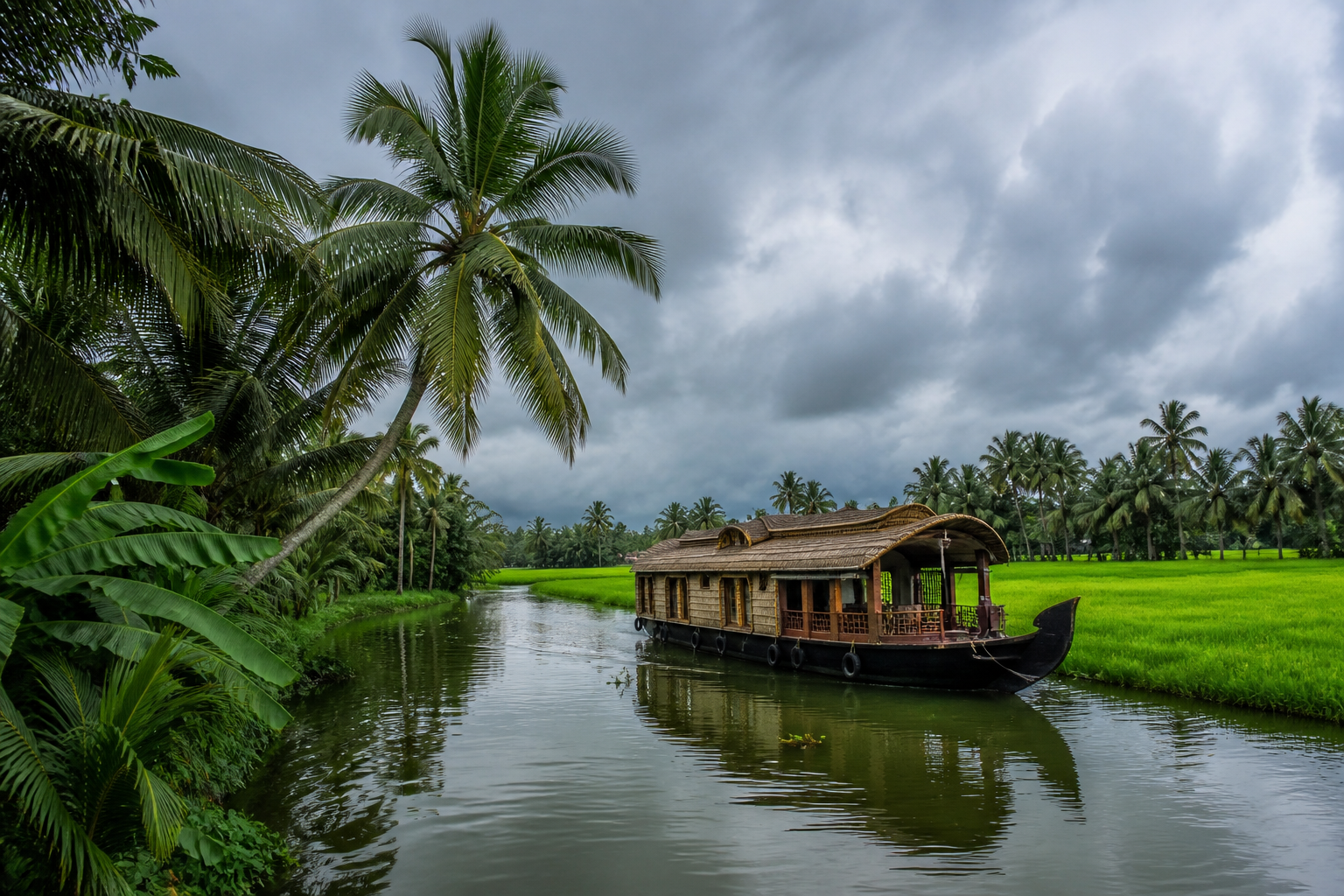
The monsoon in India is a completely different kind of travel. Kerala turns into a lush green paradise. Kerala's backwaters peak in beauty. But flooding can disrupt travel in many northern states. A double-edged season.
North India Travel Guide: When to Go
This North India travel guide covers everything from the Himalayas to the deserts of Rajasthan. The weather extremes here are real.
Best time: October to March
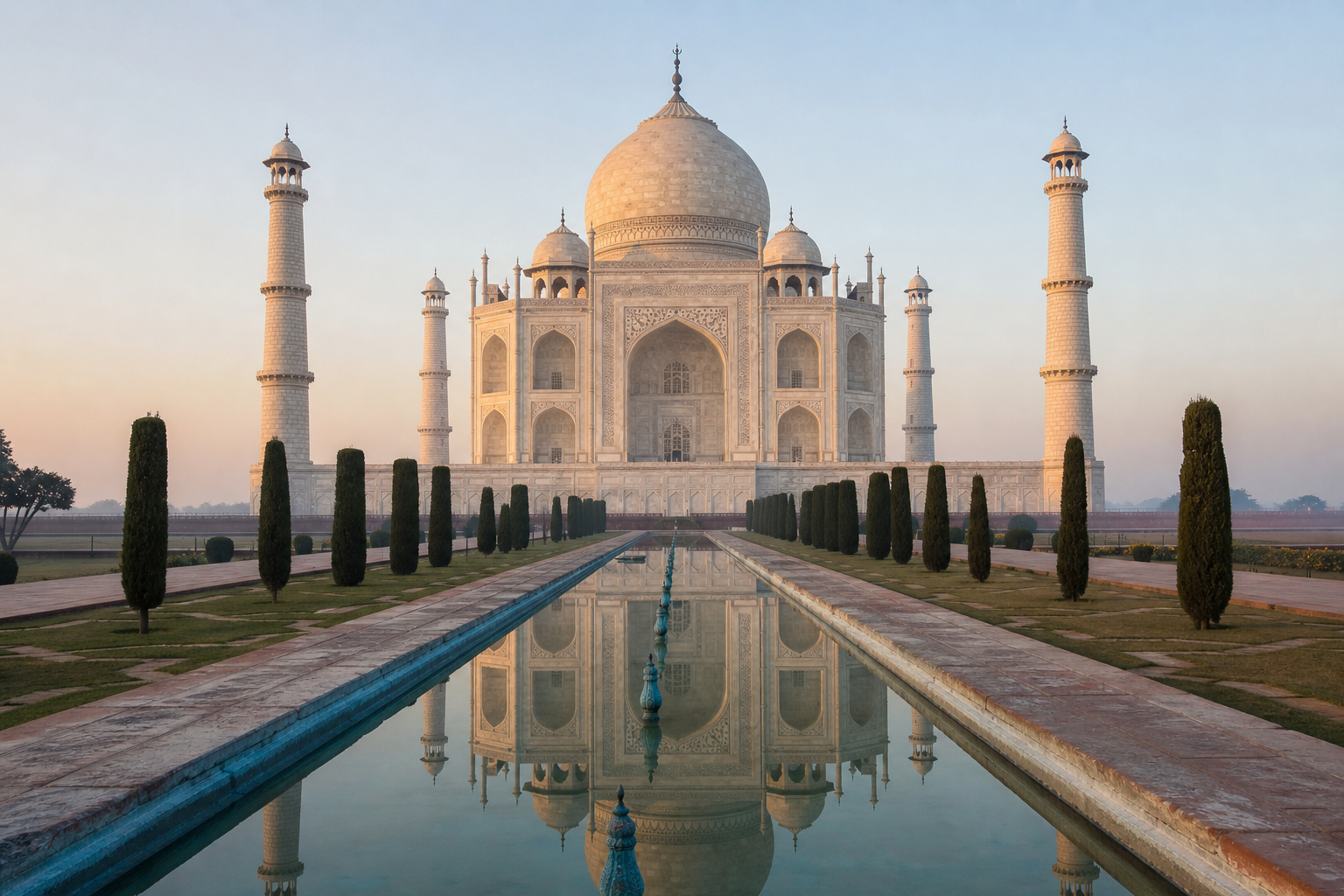
This window covers the golden travel months across Delhi, Agra, Jaipur, Rajasthan, Varanasi, and Amritsar — some of the most iconic places to visit in India.
What to expect
- October and November bring post-monsoon freshness. The air is clean, skies wide open, and tourist crowds are still manageable.
- December and January are colder, especially in Delhi and the mountains. Carry layers. It gets genuinely cold at night.
- February and March are arguably perfect. Warm days, cold evenings, and the Holi festival falls in March, one of the most joyful travel experiences India offers.
Avoid May and June in the plains. The heat is punishing. Delhi in June can feel like a furnace.
For the Himalayas specifically
- May to June and September to October are the sweet spots for trekking in Himachal Pradesh and Uttarakhand.
- Leh-Ladakh is best visited between June and September when the roads are open.
- Spiti Valley opens fully around late May and closes by October due to snow.
Rajasthan Travel Guide: Timing Is Everything
Rajasthan deserves its own mention because it's one of the most visited regions in India and the weather window is tight.
Best time: November to February
- The desert gets surprisingly cold at night in December and January. Pack accordingly.
- Jaipur, Jodhpur, Udaipur, and Jaisalmer are all stunning during this window.
- The Pushkar Camel Fair usually falls in November, a once-in-a-lifetime cultural event.
What to skip
April through September in Rajasthan is genuinely harsh. Temperatures in Jaisalmer regularly cross 48°C in May. Unless you're chasing a specific cultural event, hold off.
South India Travel Guide: A Different Calendar
This South India travel guide follows a slightly different rhythm. The monsoon here arrives earlier and in two phases, which changes things significantly.
Best time: October to February
This applies to Tamil Nadu, Karnataka, Kerala, Andhra Pradesh, and Telangana.
Key points
- Kerala's famous backwaters, Munnar tea gardens, and Kochi's colonial streets are absolutely gorgeous in winter.
- Tamil Nadu and Pondicherry are best between November and March. October can still see northeast monsoon rains.
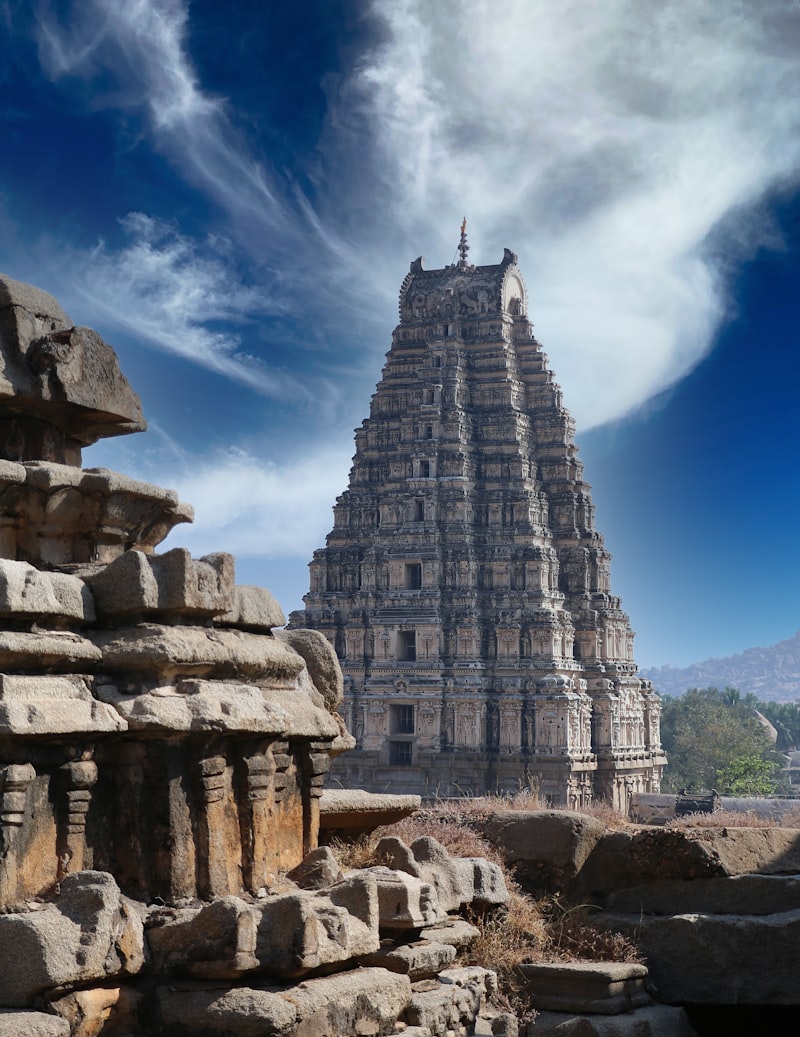
- Karnataka, including Hampi and Coorg, peaks between October and February.
Monsoon in South India
Unlike the north, the south has two monsoon phases. The southwest monsoon hits Kerala around June 1 each year, reliably. The northeast monsoon follows in October to December affecting Tamil Nadu and Andhra. If you're fine with occasional rain and want fewer tourists, South India in June to August can actually be quite beautiful.
Goa sits between north and south in spirit. Best visited October to February. Monsoon shuts down most beach shacks and the sea is rough from June to September.
East India: Odisha, West Bengal, and the Northeast
This part of India is dramatically underrated and the weather plays a big role in why.
Best time: October to March
- Kolkata and the cultural circuit are most enjoyable in winter. The city breathes during Durga Puja in October, one of India's grandest festivals.
- Odisha's temples, especially Konark Sun Temple and Puri, are best visited between November and February.
- The Northeast states, covering Meghalaya, Assam, Sikkim, Arunachal Pradesh, and Nagaland, are ideal from October to April. Meghalaya receives some of the highest rainfall on Earth during monsoon.
- Kaziranga National Park for rhino sightings is best from November to April before it floods.
Month-by-Month Quick Reference
- January: Rajasthan, Goa, Kerala, Tamil Nadu. Cold in Delhi and the Himalayas. Great for Republic Day events.
- February: Perfect across most of India. Rajasthan shines. Holi preparation begins.
- March: Holi month. North and Central India. Rajasthan getting warm but still okay.
- April: Head to South India or hill stations. North India heating up fast.
- May to June: Shimla, Manali, Darjeeling, Ooty, Munnar. Leh-Ladakh opens.
- July to September: Monsoon in India dominates. Kerala, Coorg, and Meghalaya are stunning if you embrace the rain. Avoid Rajasthan and the plains.
- October: Transition month. Durga Puja in Kolkata. Goa and Rajasthan waking up for the season.
- November to December: Peak season everywhere. Book accommodation in advance. Pushkar Fair, Ranthambore safaris, backwater cruises, all running full swing.
India Travel Tips: Before You Pack Your Bags
A few practical India travel tips that most itineraries forget to mention.
- Layer your clothing even in "warm" months. Train and bus air-conditioning in India can be extremely cold regardless of outside temperatures.
- Check regional festival calendars. Diwali, Holi, Eid, Navratri, and Pongal all shift the travel experience completely. Some are incredible to witness. Some make accommodation nearly impossible to book.
- Monsoon doesn't mean avoid India entirely. If you're flexible and going to the right places, it's one of the most atmospheric times to travel. Just avoid trekking routes that flood.
- Book Leh-Ladakh permits in advance. The season is short, the demand is high, and the roads close without warning in October.
- Carry a light rain jacket even in winter. South India and the Northeast can surprise you.
Plan Smarter With Gamana's AI Audio Guide App
Knowing when to visit is just the first step. Knowing what to see, which story sits behind each temple wall or fort gate, what the locals actually eat, and which back lane takes you somewhere unforgettable, that's where most India travel itinerary plans fall short.
Gamana is an AI audio guide app and India travel guide app designed for exactly this. It gives you personalised, immersive audio tours across India's most iconic destinations, narrated by virtual guides who genuinely know their subject. Whether you're standing at the Qutub Minar at dawn, cruising Alleppey's backwaters, or navigating Jaipur's old city bazaars, Gamana puts the full context in your ears.
No reading plaques. No chasing tour groups. Just the story of the place, told well, when you need it.
Download the Gamana app on iOS and Android before your next India trip. Because the best time to visit India is whenever you arrive, as long as you're ready to actually understand what you're looking at.
Ready to explore India in the right season?
Download the Gamana AI audio guide app and turn every destination into a story — whether you're in Rajasthan in winter or Kerala in the monsoon.