July 30, 2026 • 8 min read
India Travel Budget 2026: How Much Does a Trip to India Cost?
Gamana Editorial Team
Travel Innovation
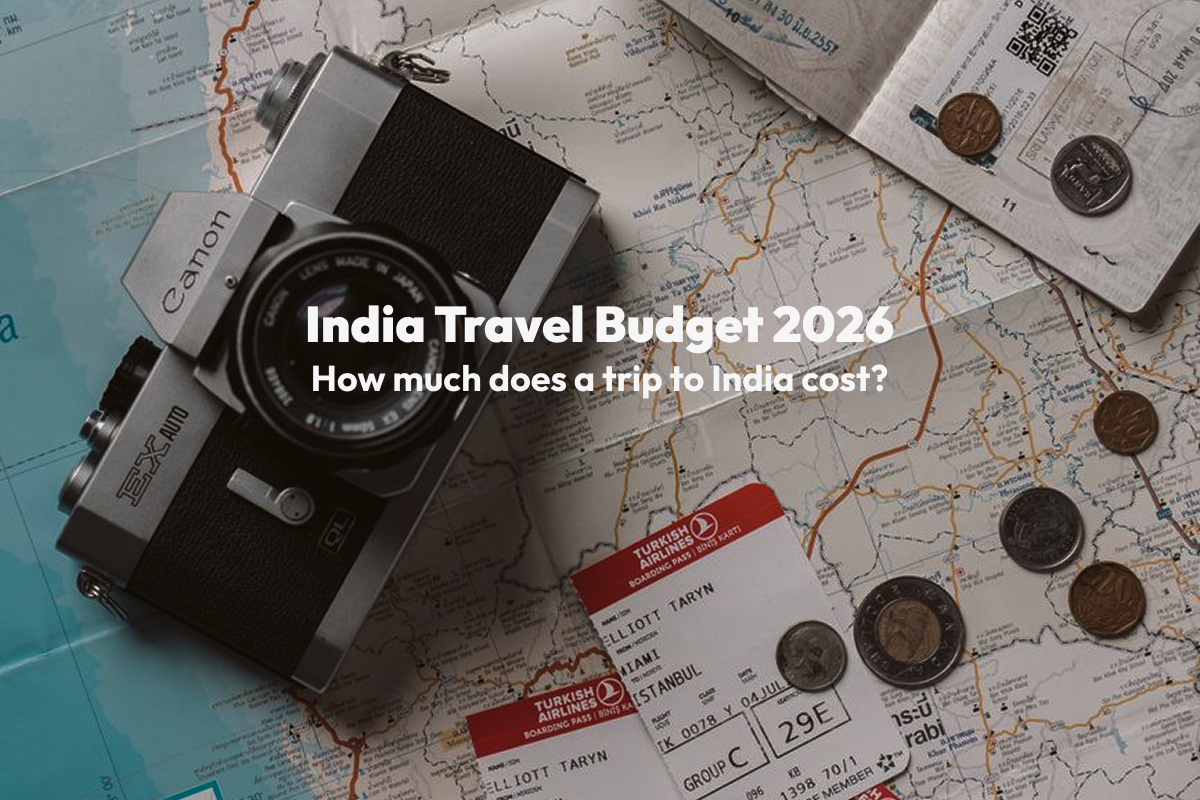
Planning a trip to India in 2026? Smart move. India is one of the most rewarding destinations on the planet, but figuring out your India travel budget before you land can make the difference between a stressful scramble and the adventure of a lifetime.
I've put together this guide from real traveler experiences, updated costs, and on-the-ground realities across different travel styles. Whether you're backpacking on a shoestring or going mid-range comfortable, here is exactly what to expect.
What Kind of Traveler Are You? (This Shapes Everything)
Before any numbers, be honest about how you like to travel. India caters to every style, but the cost gap between budget and mid-range is huge.
- Budget Backpacker: Hostels, local buses, street food, free sights
- Mid-Range Traveler: Clean guesthouses, AC trains, sit-down restaurants, entry fees
- Comfortable Traveler: Boutique hotels, flights between cities, guided experiences
This guide covers all three, so find your lane and plan accordingly.
Daily Budget Breakdown: India Trip Cost in 2026
Here is a realistic daily spend per person across the three travel styles — your core India trip cost before international flights:
- Budget Backpacker: INR 1,500 to 2,500 per day (roughly $18 to $30 USD)
- Mid-Range Traveler: INR 3,500 to 6,000 per day (roughly $42 to $72 USD)
- Comfortable Traveler: INR 8,000 to 15,000+ per day (roughly $95 to $180 USD)
These are daily averages including accommodation, food, local transport, and entry fees. International flights are separate.
Accommodation Costs Across India
Where you sleep is usually your biggest daily expense. The good news? India gives incredible value compared to Europe or Southeast Asia's tourist zones.
Budget Options (per night)
- Dorm beds in hostels: INR 350 to 700
- Basic guesthouses: INR 700 to 1,200
- Homestays: INR 600 to 1,500 (often includes breakfast)
Mid-Range Options (per night)
- Clean AC guesthouses and hotels: INR 1,500 to 3,500
- Heritage havelis in Rajasthan: INR 2,500 to 5,000
- Boutique guesthouses in Goa or Himachal: INR 2,000 to 4,500
Comfortable Options (per night)
- 4-star hotels in major cities: INR 5,000 to 10,000
- Luxury resorts and palace hotels: INR 12,000 and above
Pro tip: Book accommodation in advance for Rajasthan, Goa (October to February), and during festivals like Diwali or Holi. Prices spike fast.
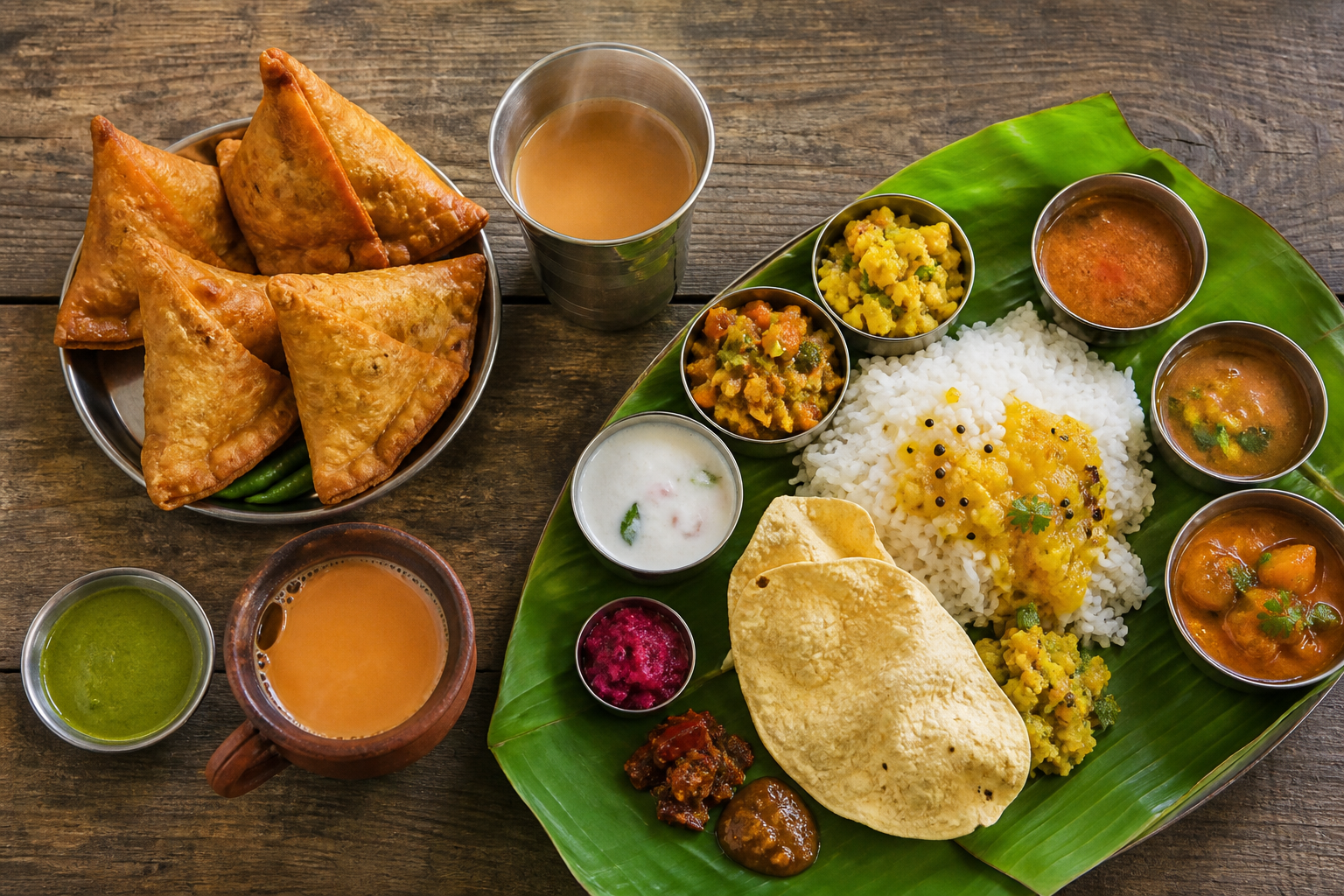
Food Costs: Eating Your Way Through India
Honestly, food is where India shines the hardest for budget travelers. You can eat like royalty for very little if you eat where locals eat — a major win for budget travel India.
Street Food and Dhabas (local roadside eateries)
- Full thali meal: INR 80 to 180
- Masala chai: INR 10 to 30
- Breakfast (poha, idli, paratha): INR 40 to 100
- Street snacks (samosa, pani puri, vada): INR 15 to 50
Mid-Range Restaurants
- Sit-down meal with a proper thali or curry: INR 200 to 450
- South Indian meals in Chennai or Bengaluru: INR 150 to 350
- North Indian meals in Delhi or Jaipur: INR 250 to 500
Upscale Dining
- Fine dining in Mumbai or Delhi: INR 1,200 to 3,000 per person
Daily food budget realistically: INR 300 to 600 for budget travelers, INR 800 to 1,500 for mid-range.
Transport Costs: Getting Around India
India's transport network is massive, and navigating it is part of the adventure. Costs vary wildly depending on your route and comfort level — a big piece of travel expenses in India.
Local City Transport
- Auto-rickshaw (short city ride): INR 50 to 150
- Metro (Delhi, Mumbai, Bengaluru): INR 20 to 60 per trip
- App-based cabs (Ola, Uber): INR 100 to 300 for most city rides
Train Travel (the backbone of India travel)
- Sleeper class (long overnight routes): INR 300 to 600
- 3AC (air-conditioned, recommended for foreigners): INR 700 to 1,500
- 2AC (more comfortable): INR 1,200 to 2,500
Bus Travel
- State government buses (very cheap but slower): INR 100 to 400
- Private overnight Volvo buses: INR 500 to 1,200
Domestic Flights
- Budget airlines like IndiGo or Air India Express: INR 2,500 to 6,000 if booked 3 to 6 weeks in advance
India travel tip: Book trains at least 2 to 3 weeks early on the IRCTC website or app. Trains fill up fast, especially on popular routes like Delhi to Jaipur or Mumbai to Goa.
Visa and Entry Fees: Don't Overlook These
India e-Visa (for most nationalities): $25 to $80 USD depending on visa type and duration. Apply at least 4 to 5 days before travel at the official government portal.
Major Monument Entry Fees (foreign nationals pay more)
- Taj Mahal, Agra: INR 1,100
- Agra Fort: INR 650
- Qutub Minar, Delhi: INR 600
- Amber Fort, Jaipur: INR 550
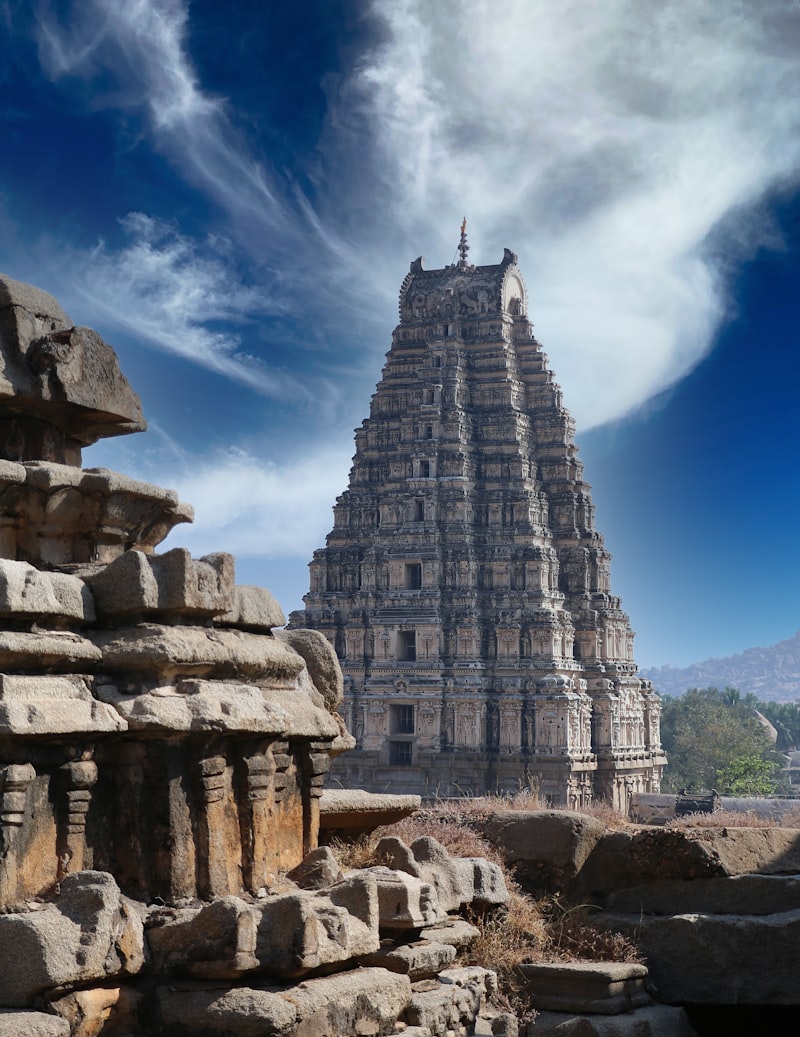
- Hampi ruins (various temples): INR 40 to 250 per site
Budget travelers visiting the Golden Triangle (Delhi, Agra, Jaipur) should set aside at least INR 3,500 to 4,500 just for monument entries.
Sample India Itinerary Cost: 10 Days on a Budget
Here is what a realistic 10-day India itinerary cost looks like for a budget traveler covering the Golden Triangle plus Varanasi:
- Accommodation (10 nights, avg INR 900/night): INR 9,000
- Food (10 days, avg INR 500/day): INR 5,000
- Transport (trains, autos, local buses): INR 4,500
- Monument entries: INR 4,000
- Miscellaneous (sim card, water, tips, small shopping): INR 2,500
Total: Approximately INR 25,000 (around $300 USD) for 10 days, excluding international flights.
Mid-range travelers can expect INR 50,000 to 65,000 ($600 to $780 USD) for the same 10-day itinerary.
Region-Wise Cost Differences: Where Is India Cheapest?
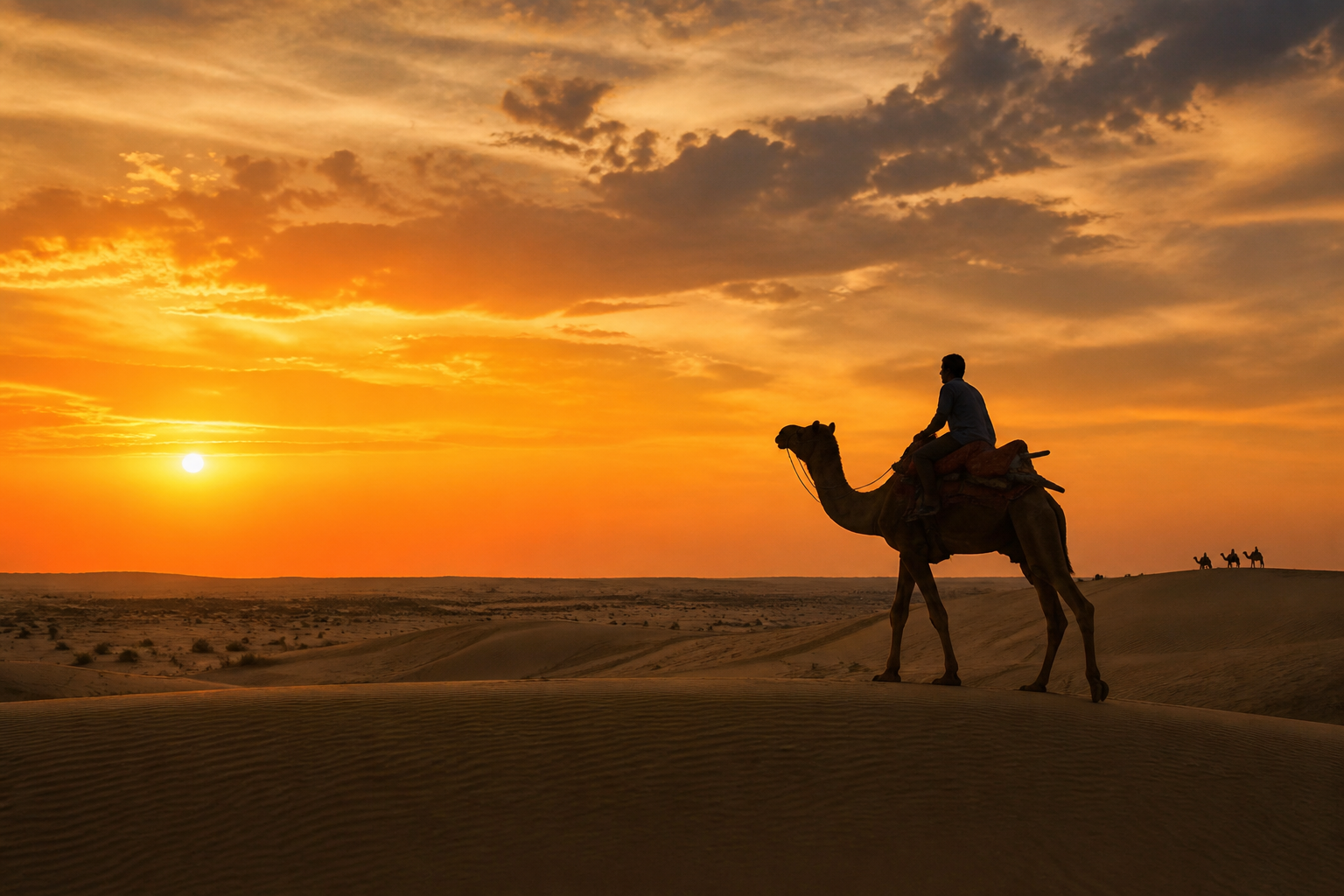
India is not one single price zone. The cost of traveling in India varies dramatically by region.
Cheapest Regions
- Uttar Pradesh (Varanasi, Agra): Low accommodation and food costs, great local food under INR 150
- Madhya Pradesh (Khajuraho, Orchha): Very affordable, fewer tourist crowds
- Bihar and Jharkhand: Extremely budget-friendly but limited tourist infrastructure
Moderate Cost Regions
- Rajasthan: Slightly pricier than UP but excellent value, especially in smaller towns like Pushkar, Bundi, or Osiyan
- Tamil Nadu and Andhra Pradesh: South Indian meals are some of the cheapest and most filling anywhere in Asia
- Himachal Pradesh: Mountain guesthouses are affordable; food costs more due to supply chains
Pricier Regions
- Goa (peak season): Resort prices rival international destinations; budget harder to maintain below INR 2,500 per day
- Mumbai: Accommodation is expensive; mid-range hotel rooms routinely cost INR 3,500 to 5,500 per night
- Ladakh: Food and transport costs are high due to remote location; budget at least INR 3,500 per day
Hidden Costs Most Travelers Miss
The India travel guide that nobody gives you usually skips the small stuff. But these add up.
- SIM card (Airtel or Jio tourist plan): INR 300 to 600 for 28 to 30 days of data
- Water and purification: Budget INR 50 to 100 per day unless you carry a Lifestraw or SteriPen
- Tipping culture: Not mandatory but appreciated; INR 20 to 100 for small services
- Bargaining losses: If you don't bargain at markets, you're paying tourist price, usually 2 to 3x the local rate
- Travel insurance: Non-negotiable; get it before you fly; roughly $30 to $80 USD for 2 weeks coverage
Backpacking India Budget: Is It Still One of Asia's Best Value Destinations?
Yes, without question. Despite some price increases post-COVID, backpacking India budget is still exceptional compared to Western Europe, Japan, or even Thailand if you stay outside the main tourist zones.
The honest truth is this: India rewards the traveler who leans into local life. The moment you swap a tourist restaurant for a dhaba, a taxi for a metro, or a guided tour for a self-guided walk with a great audio guide app, your costs drop significantly and your experience gets richer.
How Gamana Makes India Travel Smarter
This is where modern travel tools actually earn their place. One of the hidden costs of India travel is the money and time lost to overpriced guided tours at monuments and heritage sites. Most historical sites in India have almost no on-site context provided in English, and hiring a local guide at major monuments like the Taj Mahal or Amber Fort can cost INR 800 to 2,000 for a single session.
Gamana is an AI travel guide app and India audio guide app that gives you rich, immersive storytelling at every major site, narrated by AI-powered virtual guides with real depth and personality. You choose your narrator, like Arjun the Systems Historian or Aarti the Indic Historian, and explore India's history and culture on your own terms, hands-free.
For budget travelers especially, replacing paid guided tours with Gamana's audio tours can save INR 4,000 to 8,000 on a two-week India trip. And honestly, the experience is often better since you move at your own pace.
Download Gamana on Android or iOS before your trip and explore smarter.
Quick India Travel Tips to Protect Your Budget
Use these practical India travel tips to keep your daily spend under control:
- Book trains early on IRCTC, preferably 60 days in advance when booking opens for popular routes.
- Travel shoulder season (March, September to October) for lower hotel rates and thinner crowds.
- Eat thali, not à la carte. A full thali is almost always better value and more filling.
- Use UPI apps like PhonePe or Google Pay. Many vendors give small discounts for digital payment.
- Negotiate guesthouse rates for stays of 3 nights or more. Most owners will agree.
- Download offline maps on Maps.me or Google Maps before leaving your accommodation each day.
- Carry small change always. Rickshaw drivers rarely have change and it causes unnecessary friction.
Final Word: Plan Smart, Spend Less, Experience More
India is the kind of place that changes you. The chaos, the colour, the kindness of strangers, the food, the history, it is genuinely unlike anywhere else. Your India travel budget does not need to be large to have an incredible trip. It needs to be planned.
Know your daily budget range. Build in a 15% buffer for unexpected costs. Prioritise experiences over things. And use smart tools like Gamana to cut unnecessary tour costs while actually learning more about the places you visit.
Your India trip is waiting. Budget it right and make every rupee count.
Explore India with Gamana: Download the Gamana AI audio guide app on Google Play or the App Store and turn every monument into a story.
Ready to explore India without overpaying for tours?
Download the Gamana AI audio guide app and turn every monument into a story — smarter travel, lower costs, richer context.